


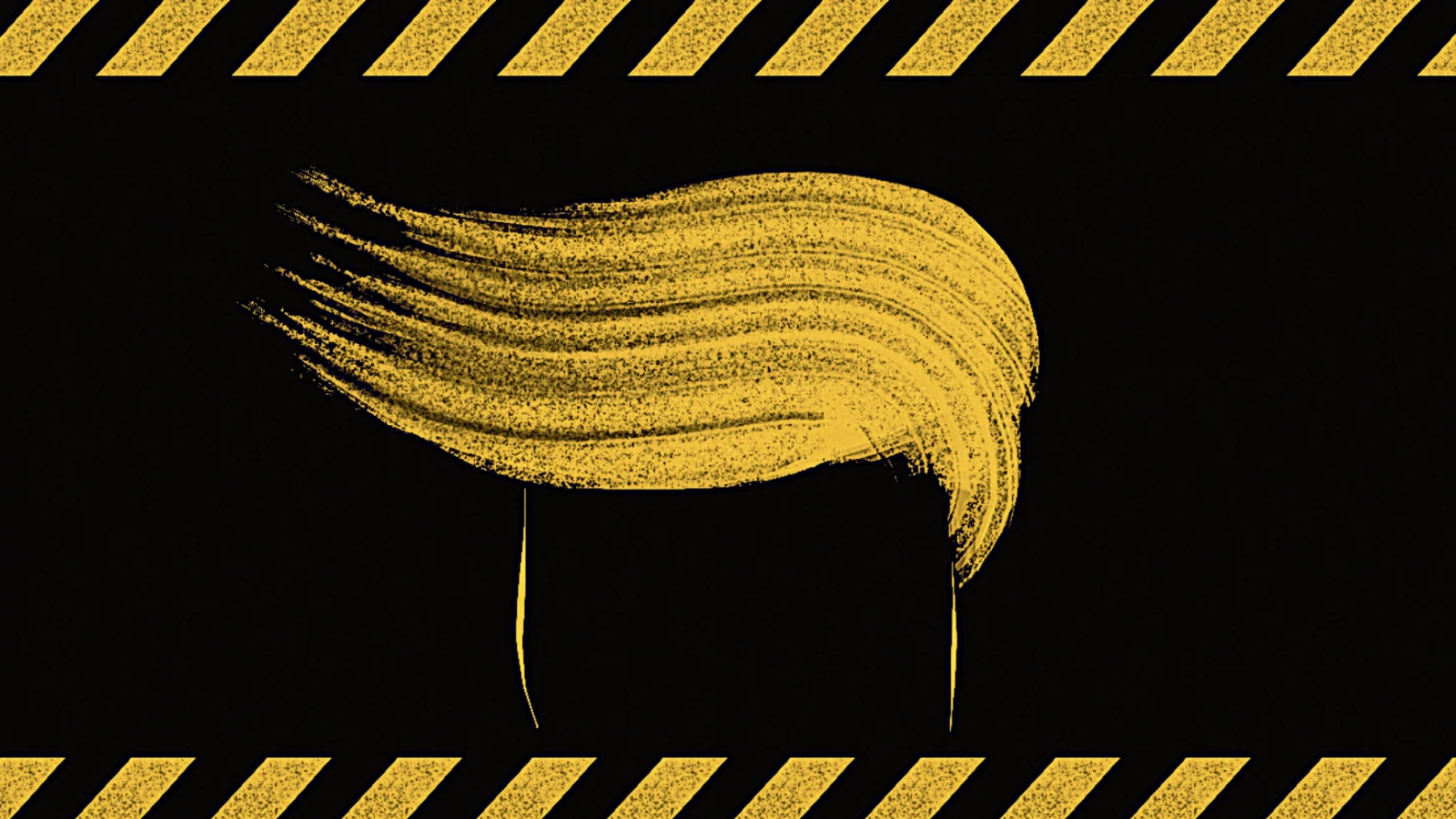
For decades, the United States played the role of the main builder and guardian of the global system. It helped design the rules of trade, security alliances, financial institutions, and diplomatic norms that shaped the modern world. But under Donald Trump’s leadership, that role began to change. The country that once acted as the chief architect of the global order started stepping back from the very structure it created.
Trump’s “America First” policy marked a clear break from traditional US foreign policy. Instead of leading through alliances and multilateral institutions, his administration focused on bilateral deals, tough negotiations, and direct pressure on partners and rivals alike. The message was simple: the US would no longer carry what Trump saw as the unfair burden of supporting a global system that did not always work in its favour.
One of the first signs of this shift came with the US withdrawal from major international agreements. The Trump administration pulled out of the Paris Climate Agreement, walked away from the Iran nuclear deal, and reduced its role in several UN bodies. These moves signalled that Washington was no longer interested in being tied down by global commitments that limited its freedom of action.
Trade policy also saw a major change. Trump imposed tariffs on allies and competitors, including China, the European Union, Canada, and Mexico. He argued that past trade deals had harmed American workers and industries. By renegotiating agreements and using tariffs as a bargaining tool, the US moved away from the free-trade system it had long promoted.
Security alliances were not spared either. Trump repeatedly questioned the value of NATO and demanded that member countries spend more on defence. While the US did not formally leave the alliance, the constant pressure created uncertainty about Washington’s long-term commitment to Europe’s security.
In Asia, Trump took a tough stance on China, launching a trade war and tightening controls on Chinese technology companies. At the same time, he tried to engage directly with North Korea’s leader in an unusual diplomatic approach that bypassed traditional channels. These moves showed a preference for personal diplomacy over established international processes.
Supporters of Trump argue that he was right to challenge a system that they believe had become outdated and unfair. They say the US was paying too much, defending too many countries, and allowing others to take advantage of its openness. From this point of view, stepping back was not abandonment, but a necessary correction.
Critics, however, warn that when the architect leaves the site, the building can start to weaken. They say US withdrawal created a leadership vacuum that other powers, especially China, are eager to fill. Without strong American leadership, global cooperation on climate change, security, health, and trade becomes harder.
The long-term impact of this shift is still unfolding. Some parts of the global system remain strong, but others are under strain. Institutions that once relied on US support are adjusting to a more uncertain future.
Trump’s approach has changed how the world sees America. Instead of being the main designer and defender of global rules, the US now appears more focused on its own interests and less willing to lead from the front.
Whether this marks a permanent change or a temporary phase will depend on future leaders. But one thing is clear: under Trump, the architect of the global system began stepping away from the construction site, leaving the rest of the world to wonder what comes next.

