


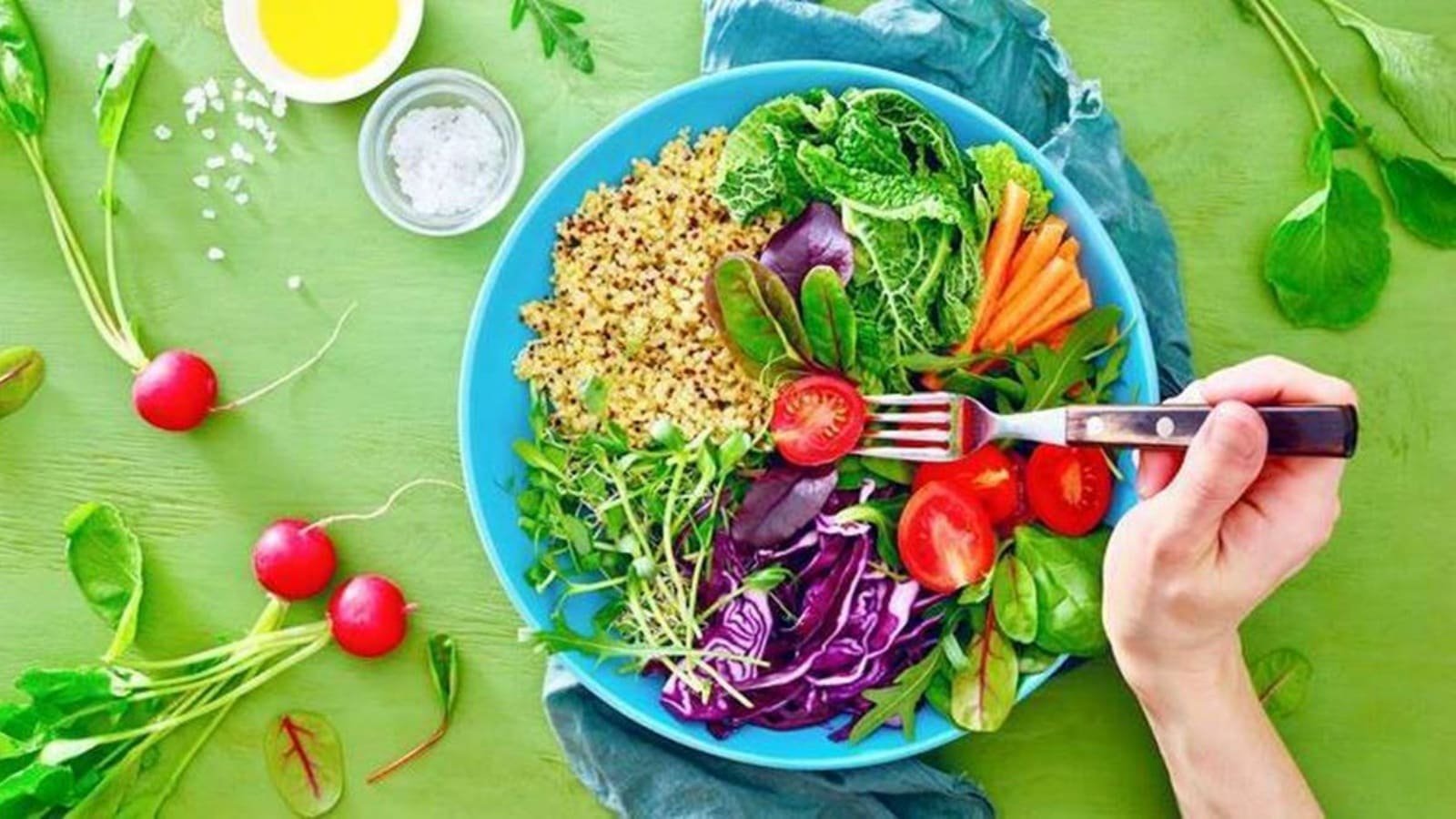
changing Indian diet : India’s food habits are changing faster than ever before. From cities to small towns, people are moving away from traditional grain-heavy diets and adding more fruits, vegetables, dairy, eggs, and protein-rich foods to their plates. This shift is being driven by rising incomes, growing health awareness, and changing lifestyles. But while what Indians eat is evolving, the farms that feed them are still largely stuck in the past.
For decades, Indian agriculture has focused mainly on growing rice and wheat. These two crops dominate government procurement, minimum support prices, and public distribution. As a result, farmers continue to rely heavily on them for stable income. However, demand for these staples is growing slowly, while consumption of pulses, fruits, vegetables, oilseeds, and animal-based foods is rising much faster.
Urban families are eating more fresh produce, packaged foods, milk products, and ready-to-cook meals. Young Indians are choosing high-protein diets, including paneer, eggs, chicken, fish, and plant-based alternatives. Even in rural areas, food choices are becoming more diverse. This changing demand is creating new opportunities, but India’s farming system is not fully prepared to meet them.
One of the biggest challenges is crop diversity. Large parts of the country still grow the same crops year after year, mainly because of assured government buying and easy access to subsidies for water, fertilisers, and power. While this system helped India achieve food security in the past, it is now creating problems like falling soil fertility, groundwater depletion, and low farm incomes.
At the same time, farmers who want to grow fruits, vegetables, or pulses face higher risks. These crops are more sensitive to weather, require better storage and transport, and often suffer from price crashes during peak harvest seasons. Without proper cold chains, warehouses, and processing units, a large share of perishable produce goes to waste.
Experts say India needs a major shift towards demand-driven farming. This means encouraging farmers to grow what consumers actually want, not just what the system supports. It also means investing in better infrastructure, such as cold storage, food processing, and modern supply chains that connect farms directly to markets.
Technology can play a big role in this transformation. Digital platforms are helping farmers access weather updates, soil health reports, and market prices. New seed varieties are improving yields and resistance to climate stress. Precision farming tools are helping reduce water and fertiliser use, making agriculture more sustainable and profitable.
Another important area is livestock and fisheries. Dairy, poultry, and fish consumption is rising steadily, creating strong demand for feed crops, veterinary services, and modern breeding practices. Supporting these sectors can generate jobs and raise incomes, especially in rural and coastal areas.
The government has started taking steps in this direction through schemes that promote crop diversification, natural farming, and food processing. However, progress remains slow and uneven across states. Farmers need clearer price signals, easier access to credit, and stronger protection against market volatility.
India stands at a turning point. The country no longer faces the same food shortages that shaped its farming policies in the past. Today, the challenge is to build a food system that delivers nutrition, sustainability, and prosperity.
As Indian diets continue to evolve, agriculture must evolve with them. The farms that feed the nation cannot remain tied only to yesterday’s needs. They must adapt to today’s tastes and tomorrow’s demands, ensuring that both farmers and consumers benefit from a healthier and more resilient food system.

