


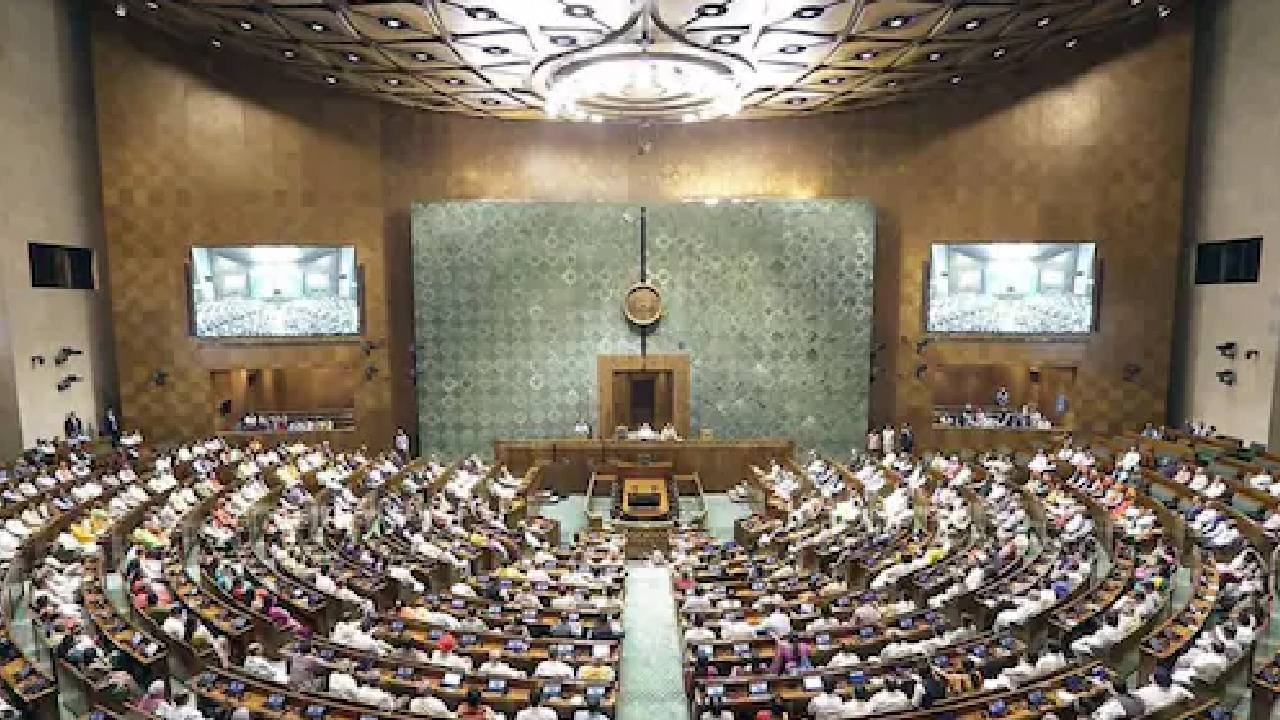
Many laws in India are archaic and date to the Colonial era. Many such laws have been amended, but many more remain, connecting our present laws to the pre-independence era. recently Parliament passed the Industrial Relations Code (Amendment) Bill, 2026, which deals with the present labour laws, and as per the Government, removes ambiguity and brings legal clarity in their implementation. However, the speed with which they have been passed has been frowned upon by various trade union and experts. Introduced only a day earlier and passed after a brief debate, the amendment seeks to provide legal clarity regarding the repeal of three legacy laws — the Trade Unions Act, 1926; the Industrial Employment (Standing Orders) Act, 1946; and the Industrial Disputes Act, 1947. These were under the ambit of the Industrial Relations Code, 2020. According to Labour and Employment Minister Mansukh Mandviya, the objective of this amendment is to remove ambiguity and ensure smoother implementation. There is truth in it, as India’s labour law framework is fragmented and complex.
The amendment consolidates 29 central labour laws into four labour codes, improve ease of doing business, and create a more transparent regulatory framework. The 2026 amendment thus addressed technical and transitional gaps that persisted since the 2020 Code. Yet despite its obvious advantages, there is more to these new codes Labour laws shape the everyday realities of millions of workers. Major central trade unions—AITUC, CITU, HMS and INTUC—have opposed the labour codes linked to the 2026 amendment, arguing they weaken job security, ease layoffs, curb the right to strike, and marginalise smaller unions.
Calling the reforms “pro-corporate,” they organised nationwide protests and strikes, including on 12 February 2026. Since the Bill was swiftly passed without almost no debate, the perspective of the stakeholders is missing from it. The impact of the amendment will depend on how it balances competing priorities. For industry, streamlined laws promise predictability, reduced compliance burdens, and potentially greater flexibility in hiring and restructuring. For workers and trade unions, however, concerns remain about safeguards related to collective bargaining, dispute resolution mechanisms, and job security. Workers’ rights cannot be compromised at the altars of legal clarity. If growth of the ecnomy and GDP is important, so is the welfare of the workers. The government has positioned the reform within a broader narrative of economic balance — high growth and low inflation, as described by Finance Minister Nirmala Sitharaman in her Budget reply. No doubt, labour reforms are essential for sustaining investment momentum and job creation but they must also safeguard workers rights and provide and address their concerns regarding layoffs. The success of the Industrial Code will be measured by its ability to foster equitable workplaces, reduce disputes, and support inclusive growth, not by how quickly it was passed.

