


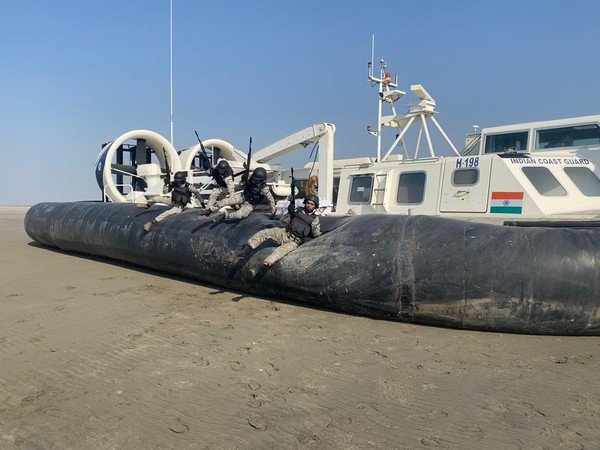
The Indian Navy has successfully concluded one of its largest multinational maritime exercises, reinforcing India’s strategic presence in the Indo-Pacific region. The exercise, conducted off the eastern coast near Visakhapatnam, brought together naval forces from several friendly nations. Warships, submarines, maritime patrol aircraft, and special forces units participated in complex combat simulations and coordinated drills over multiple days.
The primary objective of the exercise was to enhance interoperability between participating navies. Interoperability means the ability of different countries’ forces to operate together smoothly during joint missions such as humanitarian assistance, anti-piracy operations, or maritime security patrols. In today’s geopolitical environment, seamless coordination at sea is essential to ensure stability across global trade routes. Nearly 90 percent of world trade travels by sea, and the Indian Ocean region remains one of the busiest maritime corridors in the world.
During the exercise, advanced naval maneuvers were demonstrated, including anti-submarine warfare drills, air defense simulations, surface combat tactics, and coordinated missile firing exercises. Naval aviation units conducted surveillance and reconnaissance missions, testing radar and communication systems in real-time conditions. Officials reported that these drills helped evaluate response time, command efficiency, and tactical coordination under simulated threat scenarios.
Defense analysts view the exercise as a reflection of India’s expanding maritime diplomacy. Over the past decade, India has strengthened naval cooperation with countries across Asia, Europe, and the Pacific. Such collaborations not only improve defense readiness but also build mutual trust among participating nations. The presence of multiple foreign warships highlighted the shared commitment toward maintaining freedom of navigation and ensuring secure sea lanes.
Apart from combat preparedness, humanitarian assistance and disaster relief (HADR) operations were also practiced. This included mock rescue missions and coordinated evacuation exercises, emphasizing that modern navies play a crucial role beyond warfare — especially during natural disasters like cyclones and tsunamis.
Senior naval officials stated that the success of the exercise demonstrates India’s capability to host and lead complex multinational operations. As regional security dynamics continue to evolve, exercises like these strengthen collective preparedness and reinforce India’s position as a responsible maritime power committed to peace, stability, and cooperative security in the Indo-Pacific.

