


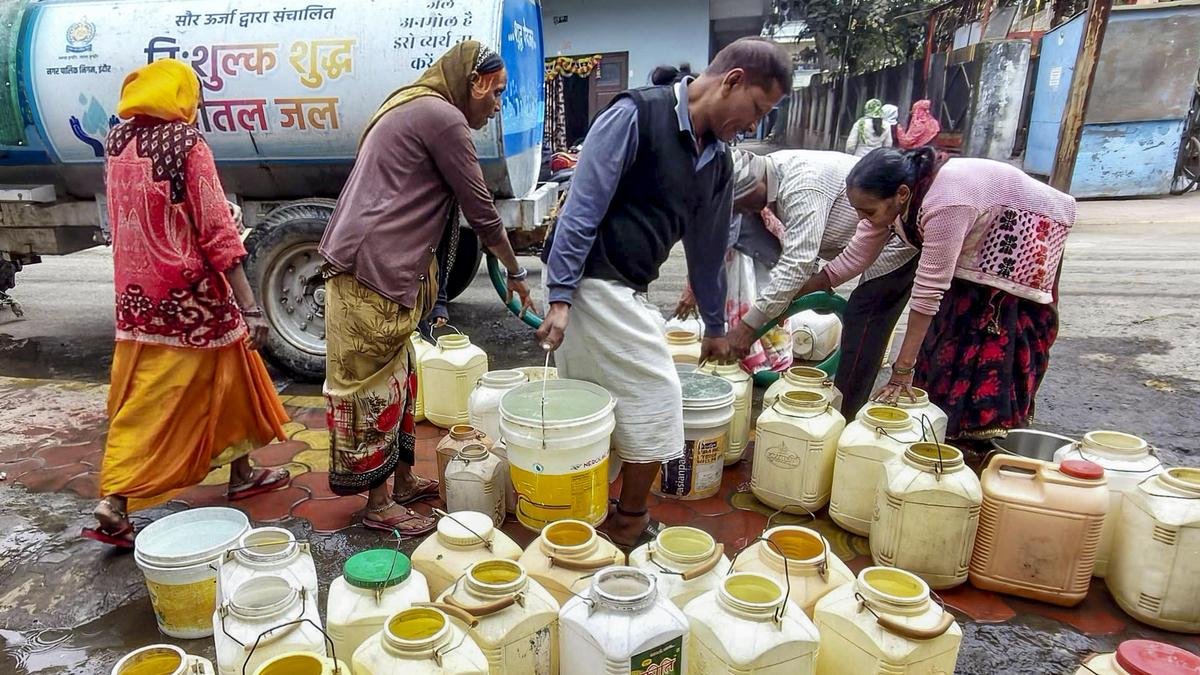
India’s ‘cleanest city’ has long been celebrated as a model for urban hygiene and sanitation. But behind the spotless streets and polished rankings lies a far more troubling reality — toxic tap water that threatens the health of thousands of residents.
Recent water quality tests in several neighbourhoods of the city have revealed dangerously high levels of chemical contaminants and heavy metals, raising serious concerns about the safety of drinking water supplied to homes. Despite repeated complaints from citizens, authorities allegedly failed to take timely corrective action.
A Silent Public Health Crisis
Residents have reported foul-smelling water, skin irritation, stomach infections, and long-term health complications. Doctors warn that prolonged exposure to contaminated water can lead to kidney damage, neurological disorders, and developmental problems in children.
Experts say the problem stems from ageing pipelines, industrial discharge into water sources, and weak monitoring mechanisms. While the city has invested heavily in beautification and cleanliness drives, water safety has remained dangerously overlooked.
Cracks in the ‘Model City’ Image
The city’s reputation as India’s cleanest urban centre has helped attract investment, tourism, and global recognition. However, environmental activists argue that cleanliness rankings often focus on waste management and surface hygiene while ignoring critical issues such as water quality and underground contamination.
“Clean streets mean nothing if people are drinking poison,” said a water safety campaigner.
Who Is Responsible?
Urban planners point to fragmented accountability between municipal bodies, pollution control boards, and water supply departments. Without a unified water safety framework, contamination often goes undetected until it becomes a crisis.
The Way Forward
Experts recommend:
- Independent water quality audits
- Replacement of old pipelines
- Real-time contamination monitoring
- Stricter action against polluting industries
- Public access to water testing reports
Until water safety becomes a governance priority, India’s cleanest cities risk becoming public health hazards.

