


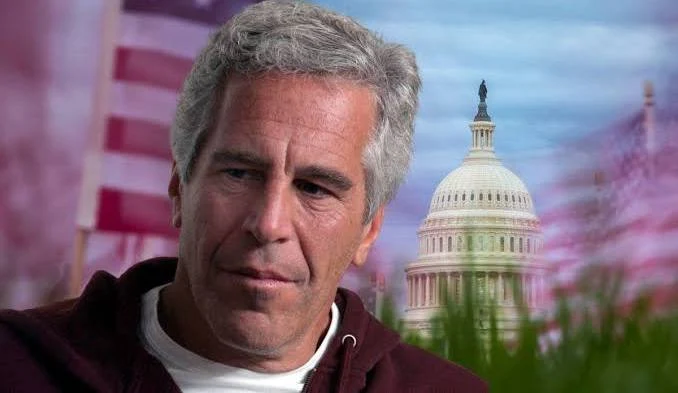
For years, the Epstein Files were expected to be one of the most explosive document releases in modern American legal history. Social media users, journalists, victims’ advocates, and political observers around the world waited for one moment — the moment when secrets would finally spill.
That moment arrived.
But instead of shock, outrage, or clarity, the dominant reaction was simple and blunt:
“That’s it?”
When the US Justice Department released the long-awaited Epstein Files, expectations were sky-high. Many believed these documents would expose powerful names, hidden networks, and long-buried truths. What they got instead were heavily redacted pages, missing search results, slow websites, and very few new revelations.
Across platforms — from X (formerly Twitter) to Reddit, from global newsrooms to ordinary readers — one phrase kept appearing: “The world is disappointed.”
Table of Contents
Who Was Jeffrey Epstein?
Before understanding why the Epstein Files matter so much, it is important to understand who Jeffrey Epstein was — and why his name still triggers global outrage.
Epstein was an American financier born in 1953 in New York. His early life was unremarkable. He even worked briefly as a school teacher. But his career took a dramatic turn when he entered the world of finance.
He later founded J. Epstein & Company, a private financial firm that catered almost exclusively to ultra-wealthy clients. Over time, Epstein became rich, powerful, and deeply connected.
His social circle included:
- Politicians
- Billionaires
- Celebrities
- Royal family members
Behind this elite lifestyle, however, was a dark reality.
Epstein’s Crimes That Shook the World
Jeffrey Epstein’s criminal history is well-documented and deeply disturbing.
Key Moments:
- 2008 (Florida): Epstein pleaded guilty to soliciting a minor. He served just 18 months, much of it under lenient conditions.
- 2019 (New York): He was arrested again, this time on federal charges of sex trafficking involving minors.
- August 10, 2019: Epstein was found dead in his jail cell. Authorities ruled it a suicide.
His death only intensified public suspicion. Many believed it ended the possibility of uncovering a wider network of abuse.
That belief is exactly why the Epstein Files carried such enormous weight.
Why Are Powerful Names Mentioned?
One of the most sensitive aspects of the Epstein case has always been his connections with influential figures.
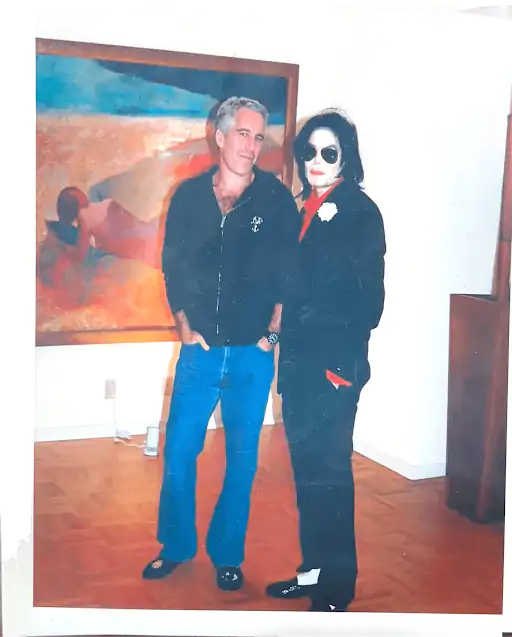
During investigations, multiple high-profile names appeared in:
- Flight logs
- Contact lists
- Photographs
- Witness statements
These include:
- Bill Clinton
- Donald Trump
- Prince Andrew
- Michael Jackson
- Bill Gates
- Peter Thiel
It is crucial to note:
Being named in the Epstein Files does not automatically mean criminal involvement.
However, the presence of these names raises serious questions about proximity, influence, and accountability — questions many hoped the files would finally answer.




What Are the Epstein Files Exactly?
The Epstein Files are a collection of government documents related to investigations into Jeffrey Epstein and his network.
They include:
- Internal communications
- FBI-related materials
- Prosecutorial decision records
- Documents linked to Epstein’s associate Ghislaine Maxwell
- Records involving “known or alleged” connected individuals and entities
The release was mandated under the Epstein Files Transparency Act, passed by the US Congress on November 19.
The law required:
- All unclassified records to be released
- Documents to be searchable and downloadable
- A 30-day deadline for compliance
Why the World Feels Let Down
Despite the historic nature of the release, public reaction has been overwhelmingly negative.
Here’s why:
1. Heavy Redactions
Many pages were almost entirely blacked out. Names, dates, and key details were removed, leaving little usable information.
2. Missing Search Results
Users reported that even basic keywords returned no results on the Justice Department website.
3. Website Access Issues
Social media users complained of:
- Long virtual queues
- Slow page loading
- System crashes
4. Very Few New Revelations
Most documents repeated information already known through court cases and investigative journalism.
In short, the Epstein Files did not deliver what people expected — transparency.
Justice Department Responds
US Deputy Attorney General Todd Blanche defended the slow and partial release.
He stated that:
- Victims’ privacy must be protected
- Some documents relate to ongoing investigations
- More records may be released in the coming weeks
Speaking to Fox News, Blanche said: “I expect we will release additional documents over the next few weeks.”
Still, critics argue this explanation is not enough.
Political Reaction: Frustration Inside Congress
Democratic Representative Ro Khanna publicly expressed disappointment.
He said it was troubling that the Justice Department failed to meet the transparency standards promised under the law. While acknowledging the effort, he stressed that “they should have done more.”
The criticism highlights a deeper issue — trust.
When governments promise transparency and deliver partial truth, public confidence erodes.
Media Verdict: “Not Worth the Hype”
Major global media outlets echoed public frustration.
From The Washington Post to Al Jazeera, coverage shared a common theme:
- The release lacked substance
- The redactions were excessive
- The real story remains hidden
Even established platforms like NDTV noted that the world expected a bombshell — but received paperwork instead.
What Happens Next?
The Epstein Files release may not be the final chapter.
Possible next steps include:
- Additional document releases
- Court challenges demanding full disclosure
- Renewed media investigations
- Increased pressure from victims’ advocates
The law allows redactions, but it does not allow silence forever.
The demand for truth has not faded — it has only become louder.
ByNews-View: A Disclosure Without Disclosure!
The Epstein Files were never just about one man. They symbolized a test of power versus accountability. When the documents finally arrived, they failed to match the promise. Heavy black ink replaced clarity, and bureaucracy replaced justice. The disappointment is real, but the story is not over. History shows that truth often arrives in parts, not all at once. Whether future releases bring real answers or more frustration will decide how this chapter is remembered — as a missed opportunity or the beginning of long-delayed accountability.
Also read:
Putin India Visit: Why This Historic Modi-Putin Meeting Could Change Global Power Equations

