


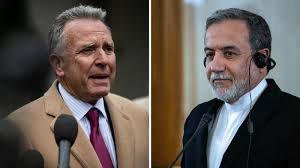
Indirect nuclear talks between Iran and the United States have resumed in Geneva amid heightened global tension. The discussions aim to revive a modified version of the 2015 nuclear agreement, which previously limited Iran’s nuclear activities in exchange for sanctions relief. Diplomatic representatives from European nations are acting as mediators, encouraging both sides to find common ground and avoid further escalation.
Tensions increased after Washington expressed concerns about Iran’s uranium enrichment levels. US officials argue that enrichment beyond agreed limits could potentially lead to weapons-grade material production. Iran, however, maintains that its nuclear program is strictly for peaceful energy purposes and medical research. Iranian leaders have demanded the removal of economic sanctions as a primary condition for any renewed agreement.
Global oil markets reacted cautiously to the news, as instability in the Middle East often impacts energy supply chains. Several countries have urged restraint, fearing that failure in negotiations could lead to military confrontation. Analysts believe the outcome of these talks could significantly influence geopolitical stability in 2026.
While progress has reportedly been slow, both sides have expressed willingness to continue dialogue. Diplomatic experts say sustained negotiations are preferable to confrontation, especially considering the fragile economic and political climate worldwide. The coming weeks will be crucial in determining whether diplomacy prevails over conflict.

