


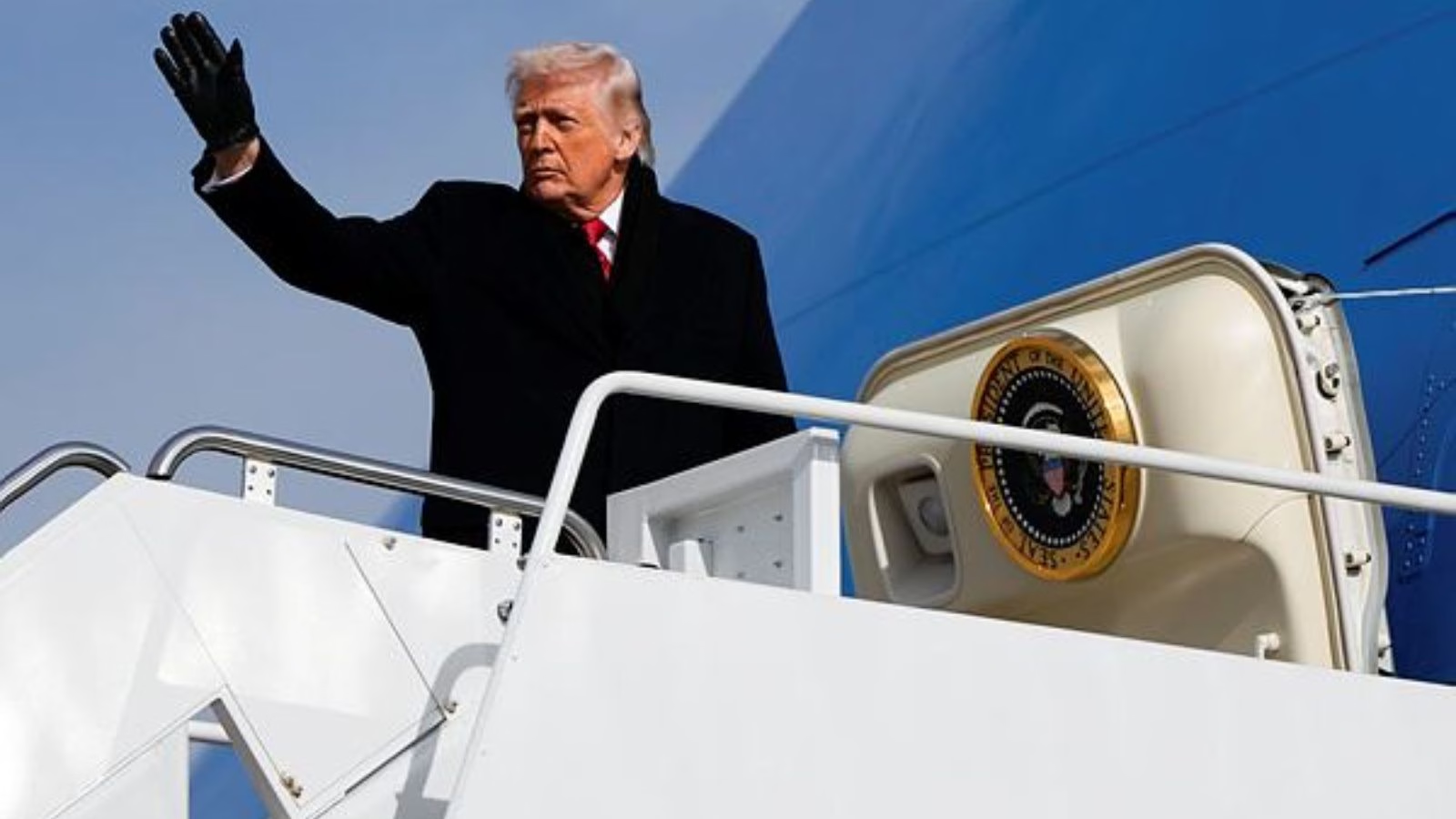
A group of US lawmakers has called on former President Donald Trump to make the reduction of Indian tariffs on American pulse crops a top priority in future trade talks with New Delhi. The move comes as US farmers continue to face difficulties exporting pulses such as lentils, peas, and chickpeas to India, one of the world’s largest consumers of these crops.
In a letter sent to Trump’s trade team, lawmakers said India’s high import duties have created major barriers for American farmers and exporters. They argued that lowering tariffs would help restore fair access to the Indian market and strengthen agricultural trade ties between the two countries.
India is the world’s biggest importer and consumer of pulses, which are a key source of protein for millions of people. However, the country has repeatedly raised import duties in recent years to protect domestic farmers and control prices. At times, tariffs on some pulse crops have gone as high as 50 percent, making US exports less competitive.
American farmers say these high duties have sharply reduced shipments to India. Before the tariffs were imposed, India was one of the largest buyers of US pulses. Since then, exports have fallen significantly, hurting growers in states such as North Dakota, Montana, Washington, and Idaho, where pulse farming is a major part of the rural economy.
The lawmakers said the US pulse industry has lost hundreds of millions of dollars in potential sales because of India’s trade restrictions. They added that while other countries have managed to negotiate better access to the Indian market, American farmers continue to face an uneven playing field.
In their appeal, the lawmakers urged Trump to take a firm stand during trade negotiations and seek meaningful tariff cuts that would allow US pulses to compete fairly. They said improving access to India’s market would help stabilise farm incomes at a time when many growers are already struggling with rising input costs, weather challenges, and global price volatility.
Trade experts say pulses are likely to be a sensitive topic for India, as the government closely manages imports to protect local farmers and keep food prices stable. Pulses are a politically important crop, and sudden increases in imports can hurt domestic producers. At the same time, India often relies on overseas supplies during poor harvests to prevent shortages and price spikes.
The issue of agricultural market access has long been a sticking point in US-India trade relations. While both countries have strengthened ties in defence, technology, and energy, trade talks have moved slowly due to disagreements over tariffs, subsidies, and regulatory standards.
Supporters of lowering tariffs argue that increased imports from the US could help India stabilise supplies during years of low production and improve food security. They also say stronger trade links would benefit both economies and support the broader strategic partnership between Washington and New Delhi.
The call from lawmakers comes as Trump has signalled interest in reviving tough trade negotiations if he returns to office. During his previous term, he repeatedly criticised India for what he called unfair trade practices and high tariffs on American goods.
For US pulse growers, the hope is that renewed talks could finally lead to a breakthrough. Industry groups say India remains the most important growth market for American pulses, and access to its huge consumer base could provide a major boost to farm incomes.
As trade discussions continue, farmers and exporters will be watching closely to see whether agriculture becomes a central issue and whether India shows any willingness to ease its import barriers on pulse crops.

