


India on Thursday strongly condemned the recent attacks on energy infrastructure in West Asia, calling them “unacceptable” and warning of serious risks to global energy stability.
Reacting to the escalation, Ministry of External Affairs spokesperson Randhir Jaiswal said the strikes were “deeply disturbing” and could worsen an already fragile energy environment. “India had previously called for the avoidance of targeting civilian infrastructure, including energy installations. Such attacks are unacceptable and need to cease,” he said.
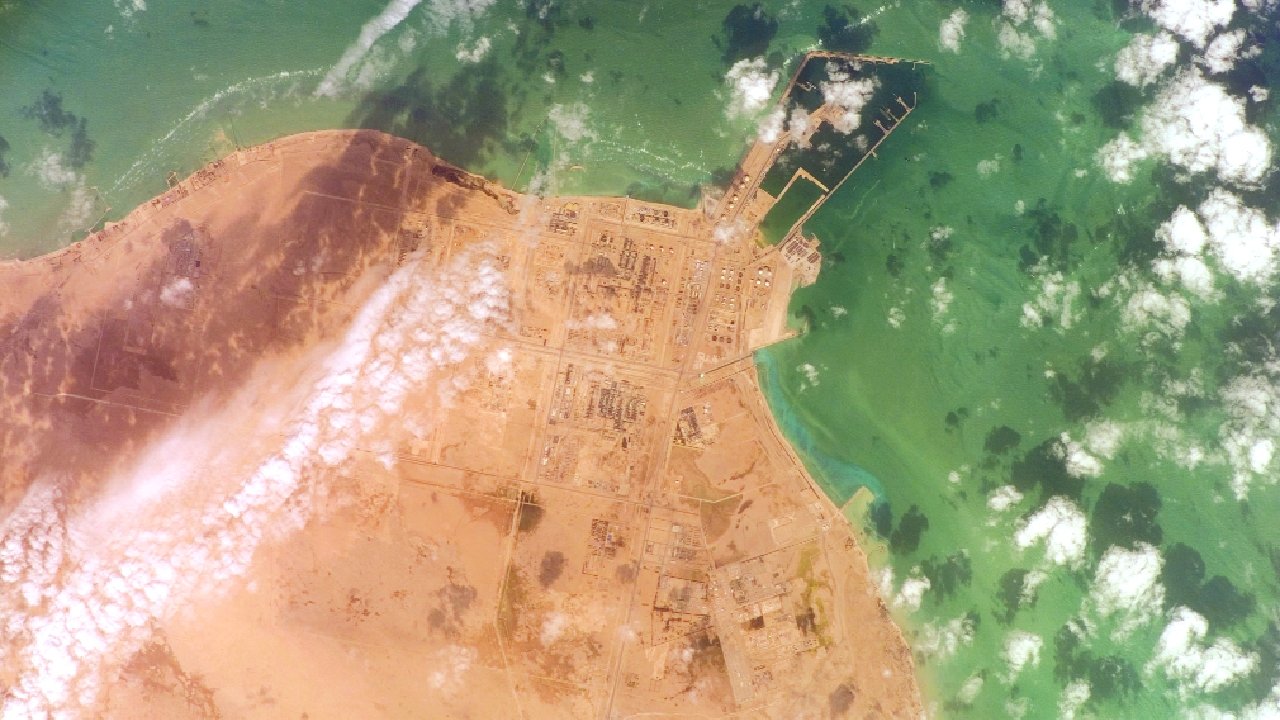
The remarks followed a missile strike on Ras Laffan Industrial City in Qatar, a key global Liquefied Natural Gas (LNG) hub, which triggered a fire and caused structural damage at the facility.
State-run QatarEnergy said the attack caused “extensive damage,” though all personnel were safe and emergency systems prevented a catastrophic explosion. Civil defence teams brought the blaze under control, but assessments are ongoing.
The incident has raised concerns in New Delhi, given India’s dependence on Qatar for nearly 40 per cent of its LNG imports. Any disruption at Ras Laffan could directly affect domestic energy security.
In response, authorities have tightened monitoring of the energy sector, directing companies to share detailed operational and supply data, with key information now treated as a matter of national security. India’s vulnerability remains significant, with about 88 per cent of crude oil, 50 per cent of natural gas and nearly 60 per cent of LPG demand met through imports, much of it routed through the Gulf. Any prolonged disruption could impact fuel prices, supply chains and inflation.
The strike marks a broader escalation in the ongoing conflict, with energy infrastructure increasingly coming under attack. It follows Israeli strikes on the South Pars gas field in Iran, which is linked to Qatar’s North Field-the world’s largest natural gas reserve.
As one of the world’s leading LNG exporters, Qatar supplies key markets across Asia and Europe, including India. Disruptions at Ras Laffan-home to major liquefaction and export facilities-could tighten global supply and increase price volatility.
Analysts warn that even limited damage may delay shipments and push up spot prices, adding to existing pressures in energy markets.Concerns are also rising over the security of the Strait of Hormuz, a critical route for global oil and gas flows.
While the immediate crisis has been contained, experts caution that LNG facilities are highly sensitive and even minor incidents can lead to prolonged shutdowns. The attack underscores the vulnerability of critical energy infrastructure amid intensifying geopolitical tensions.With energy assets increasingly being targeted, the conflict is entering a phase where economic lifelines are at risk. For India, the implications are significant, given its reliance on imported energy and exposure to Gulf supply chains.

