


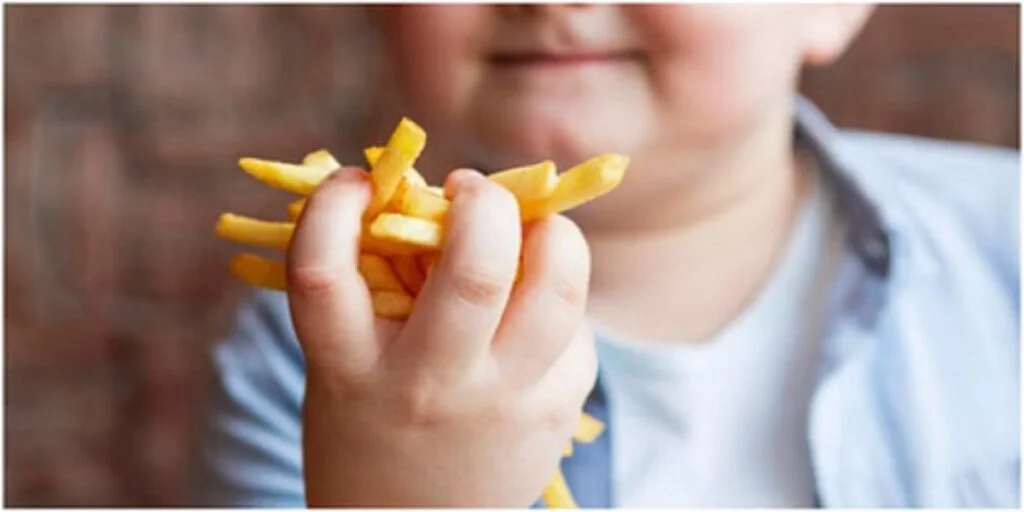
If you are the parent of a child who frequently consumes pizza, burgers, and cold drinks, this report might raise your concerns. A new and alarming report has been released by the National Institute of Nutrition (NIN) under the Indian Council of Medical Research (ICMR). According to this report, junk food and cold drinks or juices have become the biggest threats to children’s health in India. The report reveals that approximately 41 million (4.1 crore) children aged 5 to 19 in the country are struggling with being overweight or obese. The situation is so dire that nearly 10% of children are suffering from pre-diabetes, 1% of adolescents have already developed diabetes, and 5% are battling high blood pressure. Simply put, one in every three children today is affected by some form of illness.
Why is HFSS food becoming an enemy to children’s health?
In scientific terms, junk food is classified as HFSS (High Fat, Sugar, and Salt)—meaning food items that contain excessive amounts of fat, sugar, and salt. Foods like chips, pizza, burgers, french fries, momos, cold drinks, and packaged snacks offer negligible nutritional value while being extremely high in calories. Regular consumption leads to rapid weight gain. Over time, this obesity paves the way for dangerous conditions such as diabetes, heart disease, high blood pressure, and cancer.
Junk food market grew by 150% in 14 years—
The report indicates that the market for ultra-processed foods in India has expanded rapidly. The market, valued at just $0.9 billion in 2006, surged to $37.9 billion by 2019. Between 2009 and 2023, sales of such unhealthy foods witnessed a massive increase of 150 percent. Advertising and Children’s Demands—
Children do not spontaneously go to shops asking for junk food; instead, they are constantly exposed to advertisements for these products via TV, mobile phones, cricket matches, and social media.
90% of advertisements aired on children’s TV channels are for junk food.
During cricket matches, over 80% of advertisements are for sugary drinks and unhealthy food items. 92.6% of parents believe that junk food is easily available near schools and colleges.
What steps are other countries taking?
South Korea—Saw an 81% reduction in junk food advertisements on TV.
Britain—Exposure of children to such advertisements dropped by 37%.
Norway—Has imposed a complete ban on digital advertisements targeting children under 18, effective from 2026.
What can the Indian government do now?
The ICMR-NIN has suggested that the government take several stringent measures—
Health Tax—Impose heavy taxes on foods high in fat, sugar, and salt—similar to taxes on cigarettes and alcohol—to make junk food more expensive and encourage people to choose nutritious food.
Prominent Warnings on Packaging—Clearly display the sugar, fat, or salt content in large, legible text on the front of the packaging.
Restrictions Near Schools—Enforce strict bans on the sale and advertising of junk food in the vicinity of schools and colleges.
Which junk food causes which health issues?
Chips / French Fries—High blood pressure, obesity
Burgers / Pizza—Obesity, heart disease
Cold Drinks—Diabetes, fatty liver
Cakes / Pastries—Obesity, high blood sugar
Toffees / Chocolates—Tooth decay, obesity
Instant Noodles—High blood pressure, impact on kidneys
A World Health Organization (WHO) report highlights how imposing health taxes on sugary drinks and junk food can improve people’s dietary habits. According to a study published in the medical journal The Lancet, obesity rates among children and adolescents worldwide have more than quadrupled between 1990 and 2022. During this period, approximately 12.5 million children and adolescents aged 5 to 19 in India were found to be suffering from obesity or being overweight.

