


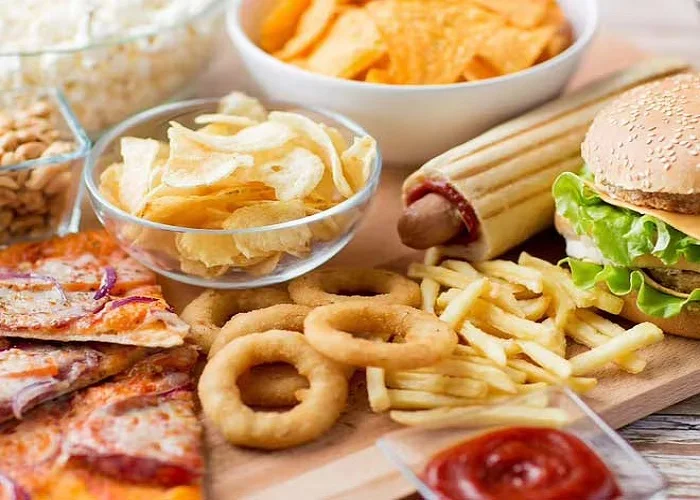
For most of us today, when hunger strikes, it seems easier to buy chips, biscuits, instant noodles, or other packaged snacks rather than opting for home-cooked food. These items are tasty, convenient to get, and have a long shelf life. But have you ever wondered which of these foods are merely “processed” and which are “ultra-processed”? Not every packaged food is ultra-processed; the real difference lies in how they are made and the ingredients used. Consuming large amounts of ultra-processed food can be a cause for health concern. Let’s understand what ultra-processed food is and how to identify it by looking at the packaging.
What is ultra-processed food?
Processing food is not inherently bad. Making yogurt from milk or grinding grains into flour are also forms of processing. However, when food is mass-produced with added ingredients to alter its taste, color, aroma, or texture—causing it to deviate significantly from its original form—it may fall into the category of ultra-processed food. Examples include chips, certain packaged biscuits, sugary drinks, candy, many types of instant noodles and soups, packaged cakes and pastries, and some ready-to-eat meals.
Why avoid consuming too much?
Many ultra-processed foods can be high in sugar, salt, and fat, while being low in fiber and other essential nutrients. Various studies have linked their excessive consumption to health issues such as obesity, type-2 diabetes, and heart disease. This does not mean that eating chips or biscuits occasionally will cause immediate harm; the problem arises when such foods become a major part of your daily diet.
What should you look for when buying packaged food?
First, check the list of ingredients provided on the back of the package. If the ingredient list is very long and includes items not typically found in a standard home kitchen, it could indicate a highly processed product. Also, pay attention to the levels of sugar, salt, and fat. Do not make decisions based solely on claims like “healthy” or “low fat.” Furthermore, there is no need to panic immediately upon seeing the name of a preservative on the package; a preservative used within established safety standards cannot be deemed harmful simply because of its name. Not all packaged food is ultra-processed; safely prepared packaged food can be consumed occasionally. However, fresh, homemade food is a better option for your daily diet. In short, rather than avoiding packaged food entirely, make the right choices and ensure it does not become a daily habit.

