


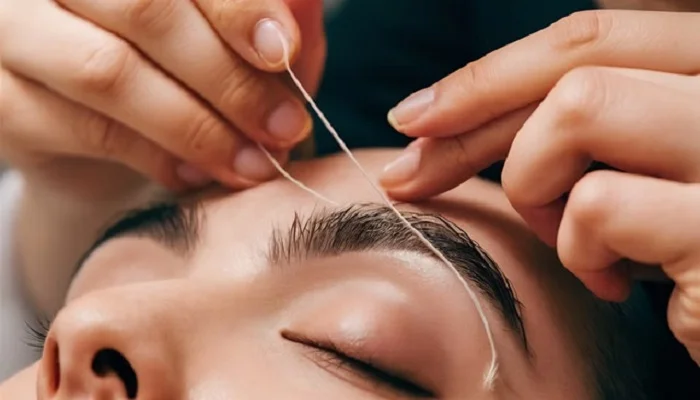
Health Alert: A recent news report shocked everyone when a 28-year-old woman suffered liver failure after undergoing a threading procedure. Since then, doctors have been consistently warning women about this risk. In a video shared on Instagram, a doctor explained how to avoid such incidents, detailing how the negligent use of threading tools in salons can expose the body to serious illness. The doctor also outlined the precautions one should take during salon visits.
Can threading really cause liver failure?
The doctor explained that threading is generally safe and does not harm internal organs; however, risks arise when salons fail to maintain proper hygiene. Reusing the same thread on multiple clients or failing to sanitize hands and tools can create a pathway for infection.
How does the risk of infection increase during threading?
Even a minor cut or a slight scratch on the skin during threading can serve as an entry point for blood-borne viruses like Hepatitis B or Hepatitis C. These viruses do not always manifest immediate symptoms and can go undetected for months or years, silently damaging the liver. Over time, untreated chronic hepatitis can lead to liver inflammation, scarring (cirrhosis), and—in rare but severe cases—complete liver failure.
How do Hepatitis B and C spread?
The real danger lies in salons that disregard hygiene protocols. When threads are reused or tools are not properly disinfected, viruses can survive and be transmitted from one client to another. The skin around the eyebrows is sensitive and prone to micro-tears; these can serve as entry points for infectious agents if the threading thread is contaminated with blood or body fluids.
What mistakes at the salon can prove costly?
Certain common acts of negligence can increase the risk of infection:
Using the same thread on multiple clients.
Failing to sanitize hands before and after the threading process.
Not disinfecting tweezers, scissors, or other instruments.
Reusing used thread or instruments.
Performing threading despite the presence of existing cuts, wounds, or infections on the face.
Neglecting cleanliness and hygiene standards at the salon.
5 essential tips from doctors to prevent infection
Taking basic precautions during salon visits can significantly reduce the risk of infection. Here are some essential hygiene practices you should follow and insist upon from your beautician:
Use a fresh, unused thread for every session.
Ensure the beautician’s hands are clean and sanitized, or that they are wearing gloves.
Consider bringing your own grooming tools, especially those used for facial care.
Get vaccinated against Hepatitis B for long-term protection.
Pay attention to your body; consult a doctor immediately if you notice symptoms such as fatigue, yellowing of the eyes, or dark-colored urine.

