


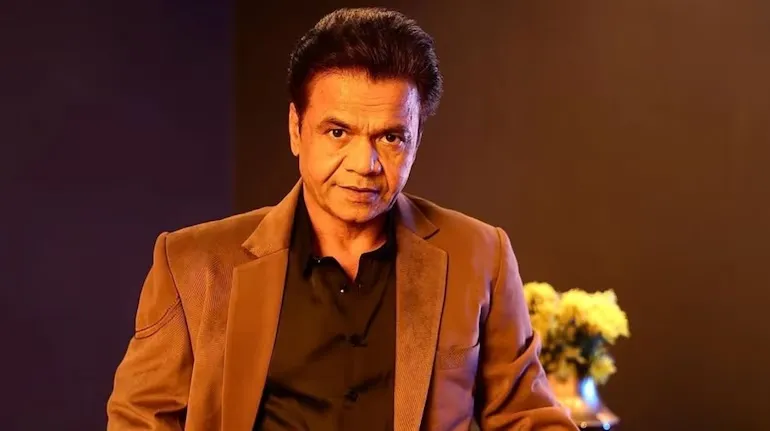
Rajpal Yadav Case: Rajpal Yadav’s cheque bounce case has once again made headlines. The Delhi High Court heard the matter concerning the actor. While the High Court had long been attempting to facilitate a settlement through its intervention, no such agreement could be reached. Now, Rajpal Yadav has suffered a major setback from the Delhi High Court, which has sentenced him to three months in prison. Consequently, the actor will be sent back to jail.
What is the court’s order?
The Delhi High Court has sentenced actor Rajpal Yadav to three months of simple imprisonment in each of the seven cheque bounce cases. The court ordered that the sentences run concurrently, meaning he will serve a total of three months in jail. The court also imposed a fine of ₹1.05 crore for each case, bringing the total fine across all seven cases to ₹7.35 crore. According to the court’s order, in each case, ₹1,04,75,000 is to be paid to the complainant and ₹25,000 to the State. Justice Swarana Kanta Sharma noted that Rajpal Yadav was given multiple opportunities to honor the undertaking he had submitted to the court but failed to do so despite repeated chances.
Court questioned Rajpal’s shifting stance during the previous hearing
Justice Swarana Kanta Sharma had reserved the verdict on April 2, and the matter was heard today. The court clarified that the final attempt at a settlement had failed. During the previous hearing, the actor had opposed the settlement plan and made an emotional appeal before the court. The High Court expressed strong displeasure regarding Rajpal Yadav’s changing stance on repaying the outstanding debt. At one point, the court remarked, “I am not getting answers to my questions. Your affidavit stated one thing, and now you are saying something else.”
The company’s demand
Advocate Avneet Singh Sikka, representing the complainant company, argued that Yadav could not evade his responsibility, as he had already accepted his conviction. He contended that no valid reason had been provided for the inordinate delay of 1,894 days in filing the 2024 revision petition. The lawyer further argued that merely serving a jail sentence does not absolve one of the financial liability arising from dishonoured cheques. Additionally, he stated that the complainant was compelled to initiate legal proceedings under Section 138 of the Negotiable Instruments Act because the outstanding amount remained unpaid despite repeated assurances. At the court’s suggestion, the complainant company had agreed to accept ₹6 crore as a final settlement.
Rajpal Yadav Did Not Agree to the Settlement
However, Rajpal Yadav rejected this proposal; appearing in person on the final day of the hearing, he informed the court that he had already suffered massive financial losses. He claimed to have already paid a substantial sum after selling his assets. The court also suggested a structured payment plan of ₹3 crore within a specific timeframe, clarifying that this was merely a suggestion and not a final verdict. Despite these efforts, the two parties failed to reach a consensus, prompting the court to adopt a stern stance today.

