


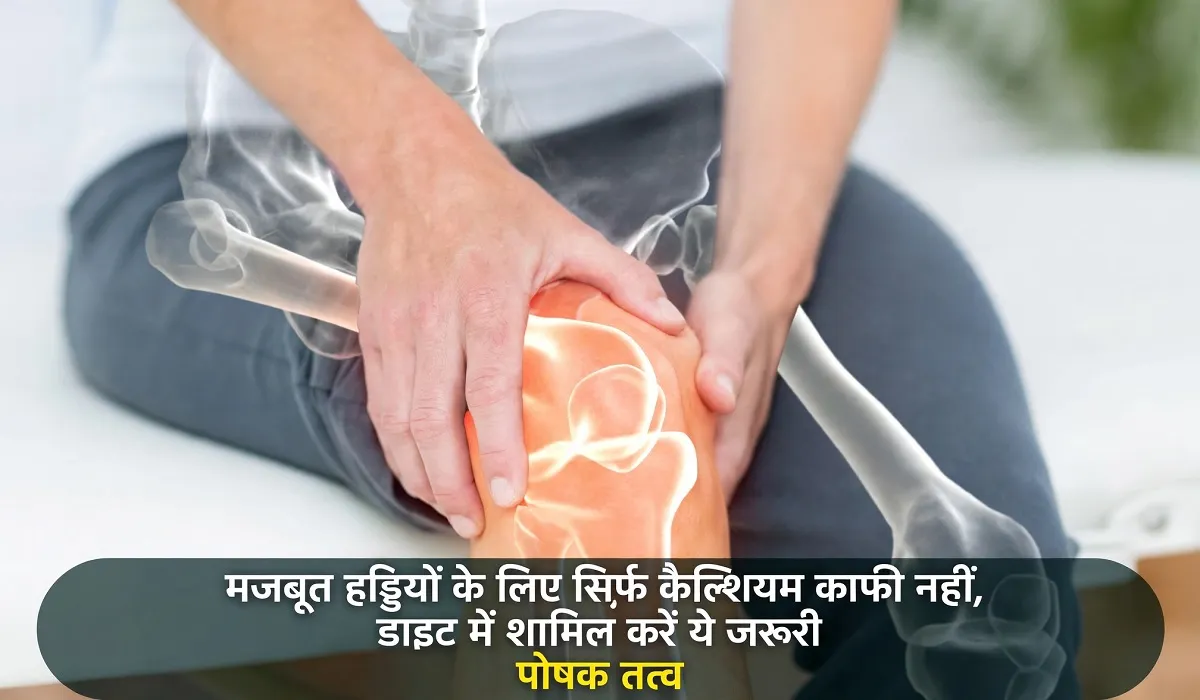
Lifestyle Desk. Many people believe that consuming only calcium is sufficient to keep bones strong, but this is not the case. For good bone health, the body requires several other nutrients in addition to calcium. Furthermore, regular physical activity and a healthy lifestyle play a crucial role in maintaining strong bones.
If the body has an adequate amount of calcium but lacks other nutrients necessary for its absorption and the maintenance of bone health, it can negatively impact the bones. Let’s look at what needs to be kept in mind to keep bones healthy.
Vitamin D is also essential
Vitamin D is required for the proper absorption of calcium in the body. A deficiency in Vitamin D prevents the body from fully utilizing calcium. In such cases, maintaining a balanced diet and getting sufficient sunlight can be beneficial. If necessary, consult a medical professional before taking Vitamin D supplements.
Protein is also vital for bones
Protein plays a key role in strengthening the structure of bones. To ensure sufficient intake, you can include protein-rich foods such as lentils, milk, yogurt, paneer (cottage cheese), eggs, and soy in your daily diet. Adequate protein is essential for the health of both muscles and bones.
Pay attention to Magnesium and Vitamin K
Magnesium and Vitamin K are also important nutrients for bone strength. Magnesium aids in bone formation and the regulation of calcium balance, while Vitamin K plays a significant role in bone metabolism. Green leafy vegetables, nuts, seeds, and whole grains are good sources of these nutrients.
Regular exercise keeps bones strong
A nutritious diet alone is not enough to keep bones healthy; regular physical activity is also essential. Activities such as walking, climbing stairs, and strength training—tailored to your individual capacity—help in maintaining strong bones. You should set aside some time every day for physical activity.
Avoid excessive salt and soft drinks.
Consuming too much salt can have a negative impact on bone health. Additionally, you should avoid sugary soft drinks and smoking. Alcohol consumption can also be harmful to your health. Therefore, it is essential to adopt a balanced diet and healthy habits.
Pay special attention to your bones as you age.
Bone strength can be affected as you age. In women, in particular, the risk of a decrease in bone density increases after menopause. In such cases, a nutritious diet, regular exercise, and periodic bone health check-ups can be beneficial.
Getting enough sleep is also important.
Adequate sleep is essential for keeping your bones and body healthy. Good sleep supports the body’s natural repair and recovery processes. Furthermore, you should maintain a healthy weight through a balanced diet and regular physical activity.

