


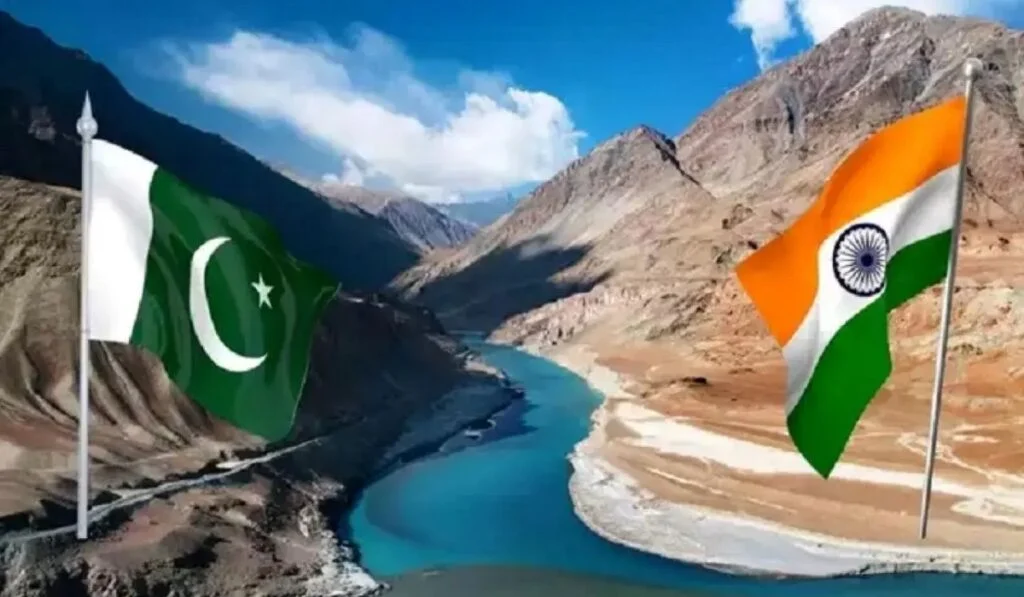
Indus Waters Treaty: Amidst growing clamor from across the border regarding the Indus Waters Treaty, India has hardened its stance. According to top sources in the central government, the Indus Waters Treaty will no longer be implemented in its current form; the 1960 treaty has effectively come to an end. Sources state that the treaty was based on the circumstances and technology of the 1950s—conditions that are no longer relevant today. It was founded on mutual goodwill, not with scenarios like terrorism in mind.
“50% of the water flows into the Arabian Sea”
Government sources noted that Pakistan has not constructed a single new major dam in the last six decades. Pakistan is failing to properly manage even the existing water resources allocated to it. Only 10% of the water flow allocated to Pakistan is stored, while approximately 50% drains into the Arabian Sea. Pakistan’s objections to India’s water projects have solely been aimed at stalling them. They pointed out that the Tulbul project, which would have benefited Kashmir, had to be shelved due to Pakistan’s objections. India will now accelerate new water projects, and surveys are being conducted at various locations for this purpose. Banned terrorist organizations in Pakistan continue to issue anti-India statements, and no credible or concrete steps are being taken by Pakistan to curb terrorism.
India’s tough decision sparks panic in Pakistan
Following a cowardly terrorist attack in Pahalgam, Jammu & Kashmir, in April 2025, the Indian government took stern action by suspending the 1960 Indus Waters Treaty with immediate effect. India’s Cabinet Committee on Security sent a clear message to Pakistan that terrorism and the benefits of bilateral treaties cannot coexist—in other words, “blood and water cannot flow together.” Under this historic decision, India completely halted data sharing on river waters, annual meetings, mutual project inspections, and participation in international court proceedings. Simultaneously, work on hydroelectric projects like Kishanganga and Ratle in Jammu and Kashmir—which Pakistan had been obstructing for years—was significantly accelerated.
This decision by India has sparked panic and fear in Pakistan, as approximately 80% of its agriculture and drinking water supply depends on these very western rivers that flow from India. Already grappling with severe economic destitution, inflation, and political instability, Pakistan fears that if India—moving beyond the treaty’s legal constraints—accelerates dam construction or regulates water flow, the country could face conditions of famine and drought. Pakistan’s strategy to corner India on international platforms has also failed completely, as India has made it clear that the treaty will not be restored until cross-border terrorism is completely and permanently halted.

