


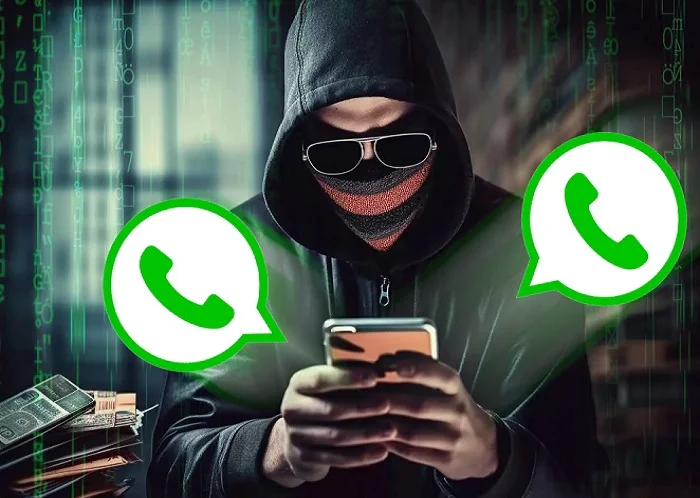
The threat of the “Boss Scam” is now looming over the world of cybercrime; simply put, obeying an order from your boss is no longer entirely safe—especially when it involves financial matters. The Ministry of Home Affairs has issued important directives regarding this. The Indian Cyber Crime Coordination Centre (i4C), which operates under the Home Ministry, has released a new alert. This alert is specifically aimed at individuals who handle financial responsibilities within institutions, companies, or government departments. Cyber fraudsters are now attempting to trick employees into transferring money by impersonating bosses, CEOs, or senior officers via WhatsApp and other messaging platforms. In many instances, employees follow these instructions without verification, resulting in significant financial losses for the organization. The i4C has advised people to remain vigilant against such fake messages and to verify the sender’s identity before proceeding with any financial transaction.
High Court stays regularization of encroachments on government land; seeks legal basis from the UDH Department.
What is the ‘Boss Scam’?
The ‘Boss Scam’—or ‘CEO Impersonation Fraud’—is a new method of cyber fraud. In this scheme, fraudsters assume the identity of a senior executive, CEO, or Head of Department (HoD). They create fake WhatsApp accounts or use profile photos to message employees, pressuring them to transfer funds immediately.
How do people get trapped?
Fraudsters often create a sense of urgency, citing confidential payments, emergency transactions, or specific projects. If employees make payments in haste without verification, the money goes directly into the fraudsters’ accounts.
What is the i4C’s advice?
The i4C advises all institutions and employees to verify any financial request with the concerned official via a phone call, video call, or official email before taking action. Payments should not be made based solely on WhatsApp messages. Major accident in Jaipur: Roof of under-construction building collapses; 11 workers injured and undergoing treatment.
Tips to avoid cyber fraud:
Verify any message regarding money transfers.
Do not trust instructions received from unknown numbers.
Avoid making financial decisions in haste or under pressure.
Raise awareness among employees about cybersecurity.
If you suspect fraud, immediately file a complaint via the National Cyber Helpline (1930) or the cyber crime portal.

