


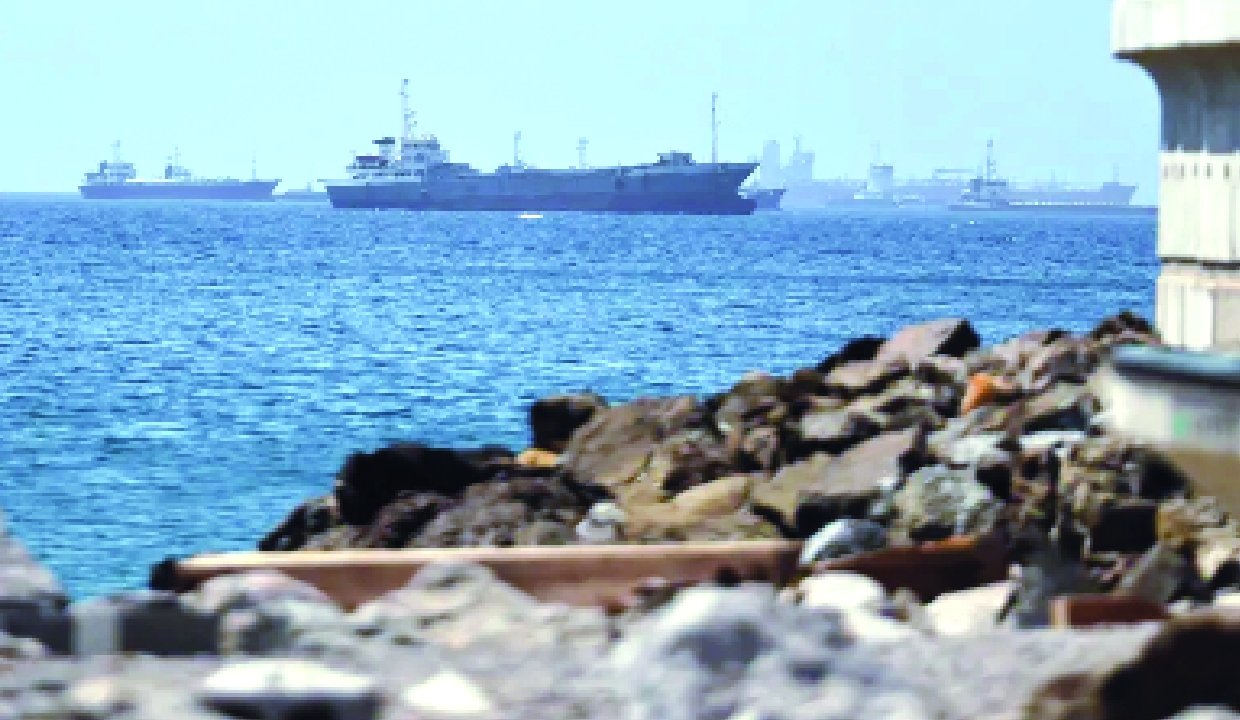
A new Iranian authority charged with overseeing the strait issued guidance Friday calling on ships to register with it even as transits are currently free – signalling Tehran’s intent to likely start charging.
The notice came from the Persian Gulf Strait Authority, a new agency in the Islamic Republic. The reopening of the Strait of Hormuz marks the end of nearly four months of disruption that sent crude oil prices soaring and heightened concerns over global energy supplies.
The Strait opened after a Memorandum of Understanding, signed by US President Donald Trump and his Iranian counterpart, Masoud Pezeshkian, to end the war, came into effect.
The Strait of Hormuz, a narrow waterway connecting the Persian Gulf with the Gulf of Oman, handles roughly 20 per cent of global energy supplies in normal times. Shipping through the waterway was severely disrupted since February 28, when the US and Israel launched joint attacks on Iran.
Before the conflict, around 138 ships used to pass through the strait every day, according to the Joint Maritime Information Centre.
At the height of the disruption, the number fell to a single digit. Tehran moved to shut the waterway soon after the US-Israeli bombing began, and Washington responded weeks later with a naval blockade of Iranian ports. The reopening of the Strait is expected to bring relief well beyond the region.
Commodity data firm Kpler estimates that a reopened strait could release roughly 93 million barrels of stranded non-Iranian crude from the Gulf, with a further 72 million barrels of Iranian crude – currently stuck on tankers west of Chabahar — freed up if Washington eases sanctions further. The impact of the reopening is being felt well beyond West Asia.
A reopened route would allow exports to Europe and Asia to flow again without the costly detours that have pushed up freight and transport costs in recent months. For India, one of the world’s largest energy importers, the development offers significant relief, but experts caution that the underlying vulnerabilities exposed by the crisis are far from resolved.
The Strait of Hormuz is the principal export route for Saudi Arabia, Iraq, Kuwait, the UAE and Qatar. With this Gulf chokepoint blocked, large volumes of crude queued up on tankers waiting for the waterway to clear.

