


Diplomatic efforts aimed at easing tensions in West Asia have shown cautious progress as high-level talks between Iran and the United States continued amid escalating regional instability involving Israel and Lebanon.
According to developments reported from ongoing negotiations in Switzerland, mediators from Qatar and Pakistan have helped both sides agree on a preliminary 60-day roadmap toward a broader settlement. The discussions focus on reducing hostilities linked to the Israel–Hezbollah conflict in Lebanon, ensuring maritime security in the Strait of Hormuz, and laying the groundwork for further nuclear-related negotiations.
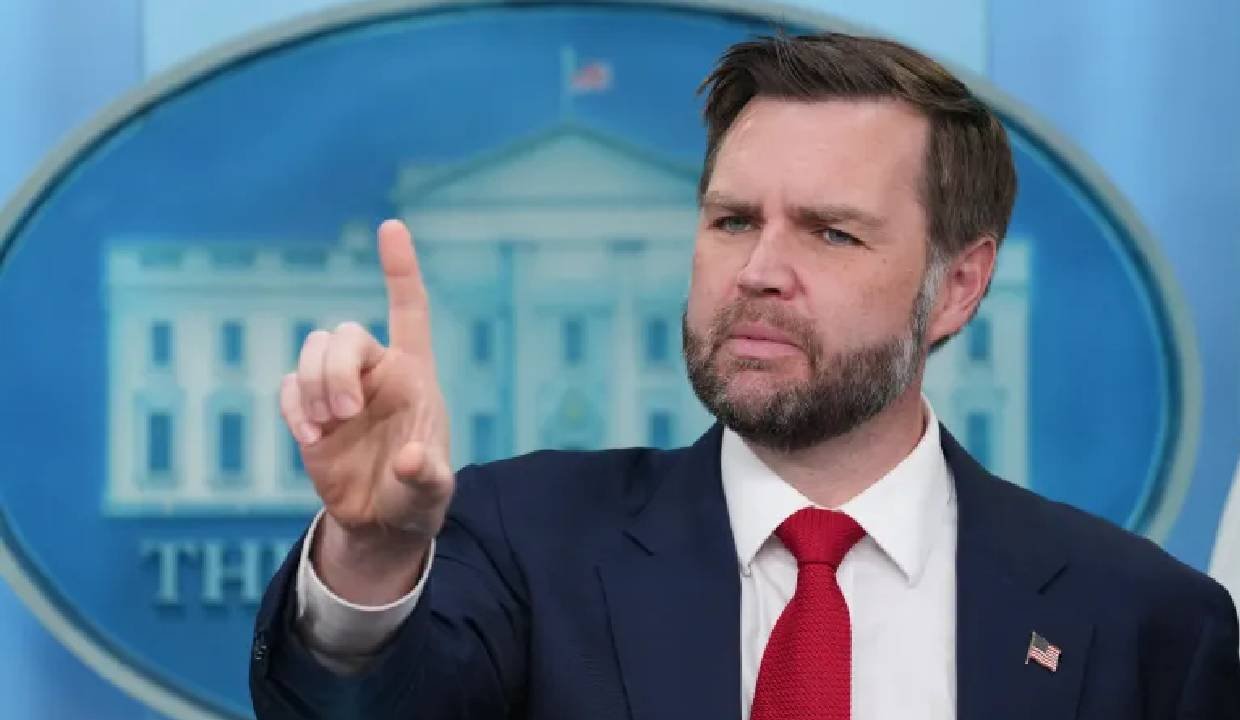
Despite early disruptions triggered by sharp warnings from former US President Donald Trump, talks resumed after brief pauses, with indirect communication channels kept open through mediators. US representatives, led by Vice President JD Vance, have reportedly emphasized the need for de-escalation across multiple fronts, including Lebanon.
Iranian officials have described the discussions as constructive, pointing to progress on confidence-building measures such as communication mechanisms to prevent military escalation. However, tensions remain high on the ground, particularly in Lebanon, where continued clashes between Israeli forces and Hezbollah have displaced large populations and complicated peace efforts.
Meanwhile, Trump has issued strong warnings regarding Iran’s regional activities and alleged support for proxy groups, further heightening geopolitical uncertainty. Israel has also maintained a firm military stance in Lebanon, despite ongoing diplomatic initiatives.
While negotiators have made initial headway, the situation remains fragile, with key disputes unresolved and the broader conflict continuing to impact regional stability.

