


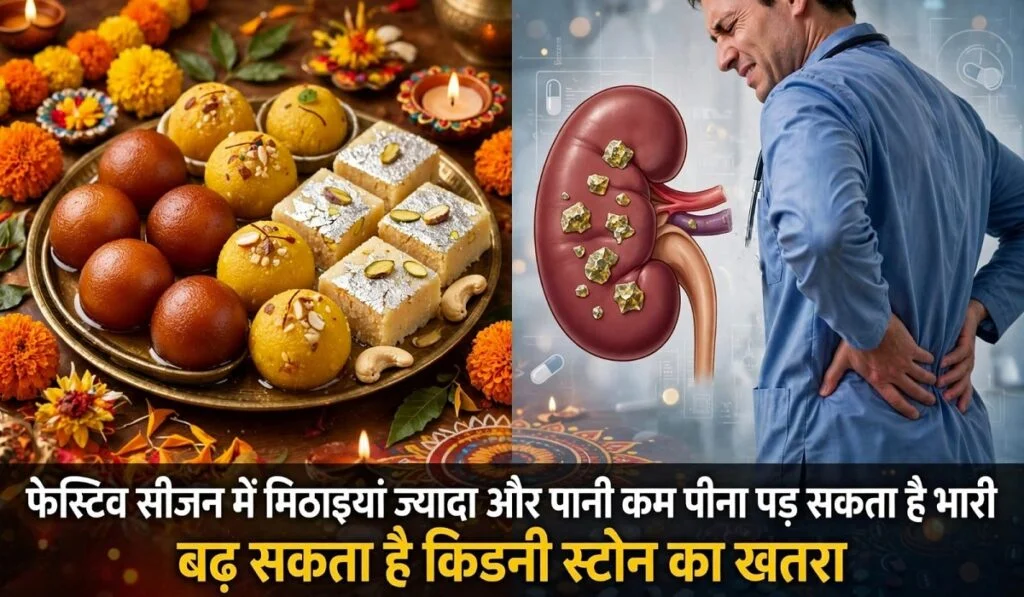
Lifestyle Desk: The festive season in India is filled with joy and delicious delicacies. Treats like laddoos, kaju katli, gulab jamun, and various other sweets are hard to resist. However, amidst the hustle and bustle of the festivities and the indulgence in food, people often forget to drink enough water. Consuming excessive amounts of sweets and salt, combined with a lack of adequate water intake, can increase the risk of developing kidney stones.
How do kidney stones form?
While enjoying sweets occasionally is generally not a cause for concern, an unbalanced diet and a failure to drink enough water can lead to complications. When the body lacks sufficient water, urine becomes concentrated. This causes minerals like calcium, oxalates, and others present in the urine to clump together and form crystals, which can gradually develop into stones.
Furthermore, high salt intake, the overconsumption of certain foods, a family history of the condition, and health issues like diabetes can also elevate the risk of kidney stones. Individuals who have previously experienced kidney stones should pay extra attention to their diet and water intake.
Do not ignore these 5 symptoms of kidney stones
The presence of kidney stones can manifest through various symptoms. It is important to recognize these signs and take appropriate action in a timely manner.
- Sharp pain in the side or abdomen: Sudden, intense pain in the side, lower back, or one side of the abdomen can be an indicator of kidney stones. This pain may fluctuate in intensity and can sometimes radiate to other areas.
- Burning sensation or pain during urination: Experiencing a burning sensation, pain, or discomfort while urinating may signal an issue within the urinary tract—though it could also be caused by other factors, such as an infection.
- Blood in the urine: Urine appearing pink, red, or brown in color can be a sign of kidney stones. Such symptoms should not be ignored.
- Nausea and vomiting: The intense pain caused by kidney stones can sometimes be accompanied by nausea or vomiting.
- Foul-smelling urine and fever: A strong, unpleasant odor in the urine or cloudy-looking urine may indicate an infection. If this is accompanied by a fever, chills, or severe pain in the lower back or flank, seek medical attention immediately.
Adopt these habits to keep your kidneys healthy during the festive season:
Drink plenty of water: Consume water at regular intervals throughout the day. For most healthy adults, 8 to 10 glasses of water is a good general guideline, though actual requirements may vary based on weather, physical activity, and individual health. Pale yellow urine is a common indicator of adequate hydration.
Limit your intake of sweets: Enjoy festive treats, but do so in moderation. Choose water over sugary beverages.
Reduce salt intake: High salt consumption can increase the amount of calcium in your urine, which may raise the risk of developing kidney stones in some individuals. Therefore, limit the consumption of items like chips, salty snacks, and dishes with high salt content.
Eat fruits and vegetables: Include fresh fruits and vegetables in a balanced diet to provide your body with essential nutrients and fiber.
Stay active daily: Regular walking and light physical activity are beneficial for your health. Also, ensure you stay well-hydrated while exercising.
What is the treatment for kidney stones?
Treatment for kidney stones depends on the size and location of the stones, as well as the symptoms present. Diagnosis may involve urine and blood tests, and in some cases, an ultrasound or CT scan.
In some instances, smaller stones may pass on their own with the help of increased fluid intake and appropriate pain management. However, the same treatment is not suitable for every type of kidney stone. Larger stones, obstructions in the urinary tract, or persistent, severe pain may require specialized medical intervention. This could include procedures such as shock-wave lithotripsy or endoscopic interventions.
Important: Do not delay seeking medical attention if you experience severe pain accompanied by fever, chills, persistent vomiting, or difficulty urinating. Such symptoms may indicate a serious condition. Also, avoid taking pain-relief medication without professional medical advice.
While enjoying the festivities, it is equally important to take care of your health. Maintaining a balanced diet, staying well-hydrated, and paying attention to the signals your body gives you can help reduce the risk of developing kidney stones.

