


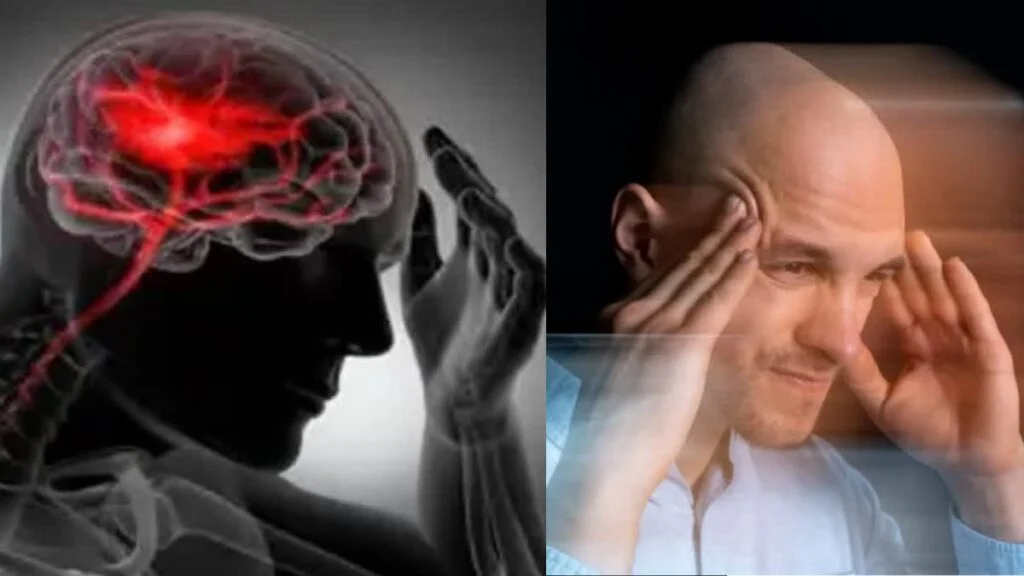
In today’s busy lifestyle, people often overlook issues like headaches, dizziness, weakness in the limbs, or a sudden loss of balance, dismissing them as mere fatigue or general weakness. However, these sudden bodily changes can be signs of a stroke—or a “brain attack.” A stroke is a serious medical emergency that can be life-threatening if not treated promptly; therefore, recognizing the early symptoms is crucial.
What causes a stroke?
A stroke occurs when the blood supply to a part of the brain is interrupted or when a blood vessel in the brain ruptures. As a result, brain cells do not receive sufficient oxygen and begin to get damaged. This is why treatment should not be delayed once stroke symptoms appear.
Sudden weakness in the face, arm, or leg
A key sign of a stroke is sudden weakness or numbness in a specific part of the body. Weakness on one side—particularly in the face, arm, or leg—should be taken seriously. In many cases, the person’s face may droop to one side, or one side of the face may not function normally when smiling.
Additionally, sudden difficulty speaking, slurred speech, or trouble understanding what others are saying can also be signs of a stroke.
Blurred vision and loss of balance
If a person suddenly experiences blurred vision in one or both eyes, has trouble walking, or loses their balance, it should not be dismissed as ordinary dizziness or fatigue. These, too, can be potential symptoms of a stroke.
Sudden, severe headache can also be a sign
In some cases, a sudden, extremely severe headache with no apparent cause can indicate a stroke. This may be accompanied by symptoms such as vomiting, loss of consciousness, or numbness in a part of the body.
Sometimes, stroke-like symptoms resolve on their own after a short while. However, this should not be mistaken for the danger having passed. Such a condition could be a Transient Ischemic Attack (TIA)—or “mini-stroke”—which is considered a warning sign of a potential major stroke in the future.
Who is at increased risk of stroke?
The risk of stroke can rise due to various factors. An unhealthy diet, lack of physical activity, tobacco use, excessive alcohol consumption, and obesity are among the primary risk factors. Additionally, high blood pressure, diabetes, and elevated cholesterol levels can damage blood vessels.
Therefore, alongside regular health check-ups, it is crucial to monitor key health markers—such as blood pressure, blood sugar, and cholesterol—and adopt a healthy lifestyle.
What should be done immediately if stroke symptoms appear?
If a person suddenly exhibits symptoms of a stroke, seek medical help immediately; take the patient to a hospital emergency department or call an ambulance. It is also important to note the time the symptoms began, as this information can be vital for doctors during treatment.
Avoid administering any medication to the patient without medical advice. Timely treatment is critical in the case of a stroke; therefore, ignoring symptoms or waiting can be harmful.

