


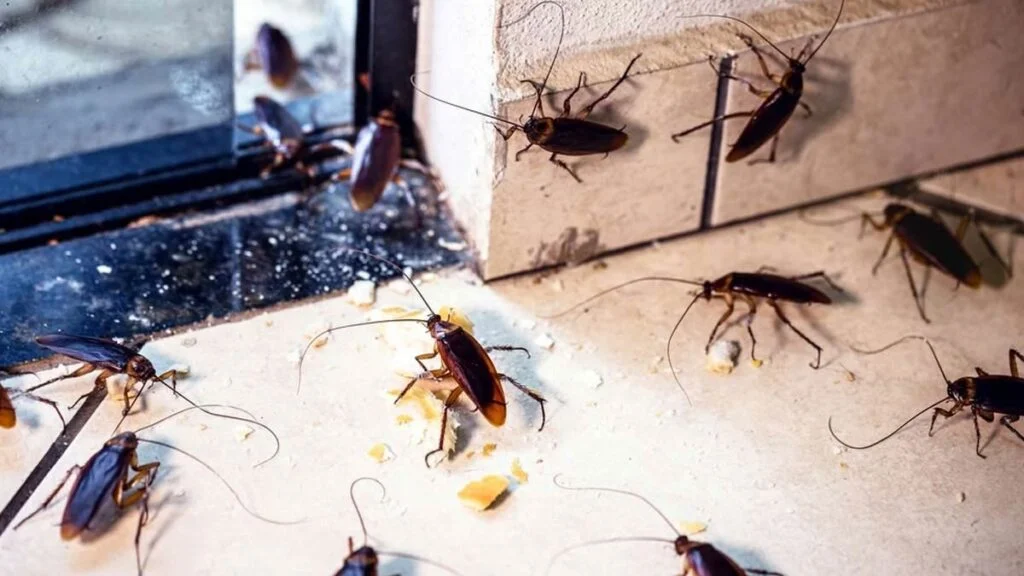
Small pests like cockroaches, flies, and other insects are frequently spotted in homes and kitchens. While many of us try to get rid of them, it is important to realize that these tiny creatures are not merely signs of uncleanliness; they can also be the cause of serious illnesses. Highlighting this, the FSSAI has warned the public about how small pests can contaminate food and spread diseases such as diarrhea, typhoid, and dysentery. Consequently, keeping the home and kitchen pest-free is crucial. Here is how these pests spread diseases:
How do they spread disease?
The FSSAI states that small pests can contaminate food and utensils in various ways. There are four main reasons for this:
Cockroaches and other pests often thrive in garbage bins, drains, and unsanitary areas where harmful bacteria and viruses are present.
These pests carry disease-causing microorganisms on their legs and bodies, bringing them into the home.
When these pests land on uncovered food, kitchen counters, or utensils, the germs they carry are transferred to the food.
The FSSAI notes that these pests can spread diarrhea, typhoid, dysentery, and various other infections.
What precautions should be taken?
Paying attention to a few key practices can help significantly reduce the risk of such diseases:
Always keep food covered.
Clean kitchen counters and surfaces regularly.
Keep garbage bins covered with lids.
Pay special attention to cleaning drains and damp corners.
Store washed utensils in a clean, dry place.
Arrange for pest control immediately if pests are spotted in the home.
Higher risk for children and the elderly
Experts state that the impact of foodborne infections can be more severe for children, the elderly, pregnant women, and individuals with weakened immune systems. Therefore, special attention should be paid to kitchen hygiene to safeguard their health.

