


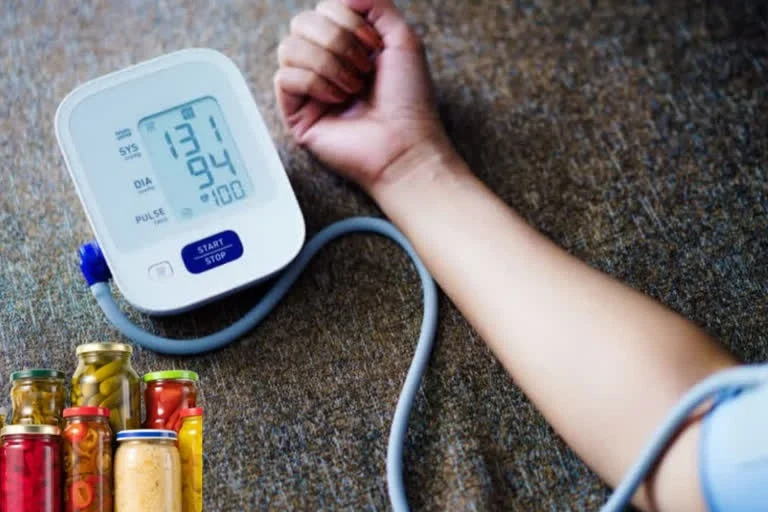
Whether it is snacking on chips and savory treats with evening tea or adding papad and pickles to a meal, these items are part of many people’s daily diet. People often believe that as long as they do not add extra salt to their food, their sodium intake will not be excessive. However, this is not necessarily true.
According to cardiologists, a significant portion of daily sodium intake comes from packaged and processed foods that already contain salt. Foods such as chips, savory snacks, instant noodles, bread, biscuits, pickles, sauces, and papads can be high in sodium. Regular consumption of these items can increase sodium levels in the body and affect blood pressure.
How does excess salt affect the body?
Sodium is an essential nutrient for the body. It plays a role in maintaining fluid balance and ensuring the proper functioning of nerves and muscles. However, consuming excessive sodium can cause the body to retain water.
The accumulation of excess water in the body can increase pressure on blood vessels. This can lead to high blood pressure and force the heart to work harder to pump blood. Long-term high salt intake is associated with high blood pressure as well as an increased risk of stroke, heart failure, and kidney-related problems.
Cutting down on added salt is not enough
According to experts, simply stopping the practice of adding extra salt to food is not sufficient to control blood pressure. It is also crucial to pay attention to the sodium content in the packaged and processed foods consumed daily.
Furthermore, it is incorrect to assume that sea salt or Himalayan pink salt are completely different from or safer than regular salt. These also contain sodium, so they too should be consumed in moderation.
How much salt should be consumed daily?
According to the World Health Organization (WHO), an adult should consume less than 5 grams of salt per day. This amount is roughly equivalent to one teaspoon. However, many people consume far more salt than this in their daily diet.
To maintain normal blood pressure, in addition to monitoring salt intake, it can be beneficial to include potassium-rich foods—such as fruits, vegetables, lentils, and beans—in your diet. You can also make it a habit to check the sodium content on the labels when purchasing packaged foods.
Note: If you have high blood pressure or any other health condition, it is best to consult a doctor or dietitian before making significant changes to your diet.

