


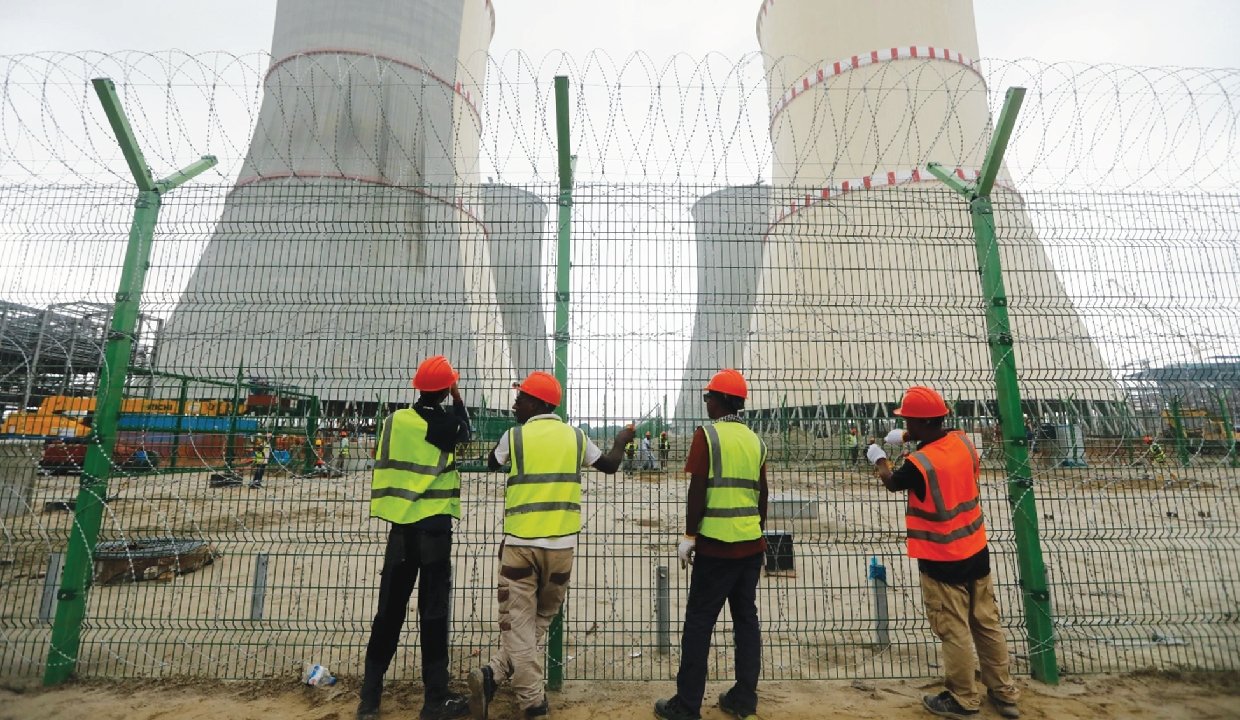
The Iran war’s global energy shock is causing some nations in Africa and Asia to boost nuclear power generation and spurring atomic energy plans in non-nuclear countries on both continents.
Asia, where most of the West Asia oil and natural gas was headed, was hit first and hardest by disruptions to shipping routes carrying those fuels – swiftly followed by Africa. The US and Europe are also feeling the pinch as the conflict drives up energy costs. African and Asian nations with nuclear plants are increasing their output as they scramble for short-term energy supplies, while non-nuclear countries are accelerating long-term nuclear plans to safeguard against future fossil fuel shocks.
Nuclear power isn’t a quick fix for the current energy crisis. Developing atomic energy can take decades, especially for nuclear newcomers. But long-term commitments to nuclear power made now will likely lock it in to countries’ future energy mixes, said Joshua Kurlantzick of the Council on Foreign Relations.
In Asia, the Iran war is pushing South Korea to increase nuclear power generation, while Taiwan is debating restarting mothballed reactors. In Africa, future plans to build reactors have taken on urgency, with Kenya, Rwanda and South Africa affirming their support.
Nuclear power takes advantage of the energy released when the nucleus of an atom, such as uranium, splits in a process called fission. Unlike fossil fuels, this doesn’t release climate change-causing carbon dioxide. But it creates potentially dangerous radioactive waste, which is one reason many countries are cautious about nuclear power.
The war has accelerated a global “nuclear renaissance,” said Rachel Bronson of the Bulletin of the Atomic Scientists, as countries seek an out from the risks of fossil fuel markets

