


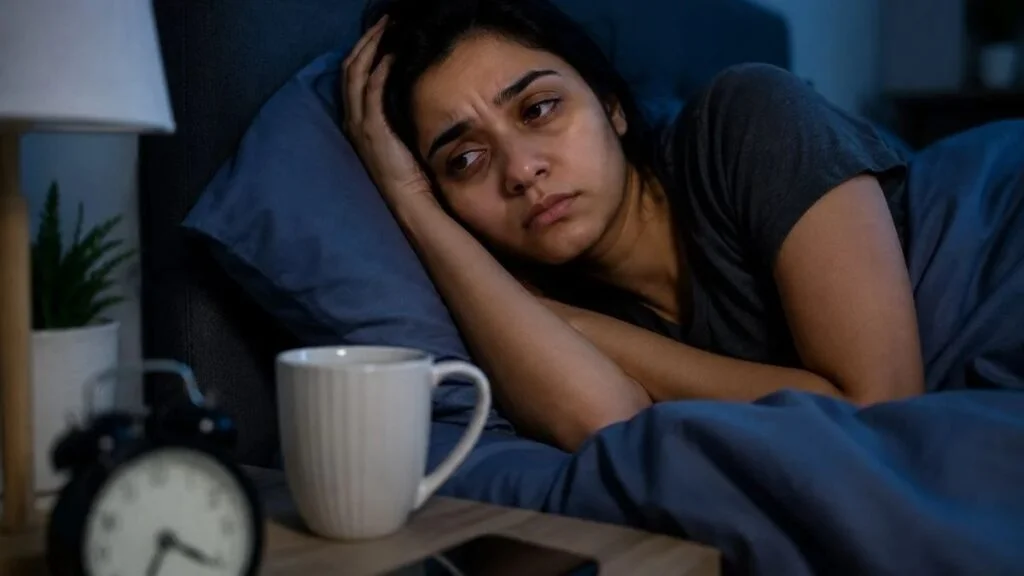
Getting good, adequate sleep is essential for maintaining a healthy body. Consistently getting too little sleep affects more than just morning fatigue or weakness; it can impact how both the brain and body function. Chronic sleep deprivation can lead to issues such as difficulty concentrating, impaired memory, increased stress, and a lack of energy throughout the day.
A lack of sleep can also influence our daily habits. People who sleep less may experience frequent urges to eat—specifically cravings for high-calorie foods that provide a quick energy boost. Meanwhile, fatigue can make physical activity feel difficult.
Let’s explore the effects on the body and brain when one consistently gets less than 6 to 8 hours of sleep.
Brain Function Can Be Impaired
If a person fails to get adequate sleep over a prolonged period, their brain function can be compromised. This can make it difficult to concentrate or stay alert. Sleep helps the brain process information gathered during the day and strengthens memory.
Insufficient sleep can also slow down reaction times, affecting daily tasks and decision-making abilities. Additionally, issues such as mood swings, irritability, and heightened emotional sensitivity may arise.
Impact on Hormones and Appetite
Sleep deprivation can disrupt the body’s hormonal balance. Levels of cortisol—a stress-related hormone—may rise. It can also affect the systems that regulate hunger and the sensation of fullness.
This is why some people experience frequent hunger after getting too little sleep. Increased cravings can lead to changes in dietary habits. Furthermore, a lack of sleep can impair the body’s ability to manage blood sugar levels.
Increased Cravings for Unhealthy Food
Chronic sleep deprivation can also lead to changes in eating habits. A lack of sleep can increase cravings for high-calorie foods that provide an immediate energy boost. Some people also increase their caffeine intake to stave off fatigue and sleepiness.
If this habit persists over the long term, the cycle of sleep issues and fatigue can worsen.
Impact on Body Recovery
The body requires time for rest and recovery during sleep. Without adequate sleep, the body has less time to repair muscles and other tissues, which can lead to feelings of fatigue and weakness.
Low energy levels can make it difficult to exercise or perform daily physical activities. Over time, a cycle involving lethargy, fatigue, cravings for food, and poor sleep quality may develop.
How Much Sleep Is Necessary?
Sleep requirements vary depending on age and individual circumstances. Therefore, if you are experiencing persistent sleep-related issues, excessive daytime fatigue, or a lack of feeling rested despite getting enough sleep, it is advisable to consult a doctor.
Note: This article is intended for general health information. Please consult a medical specialist regarding any illness, persistent sleep problems, or other health concerns.

