


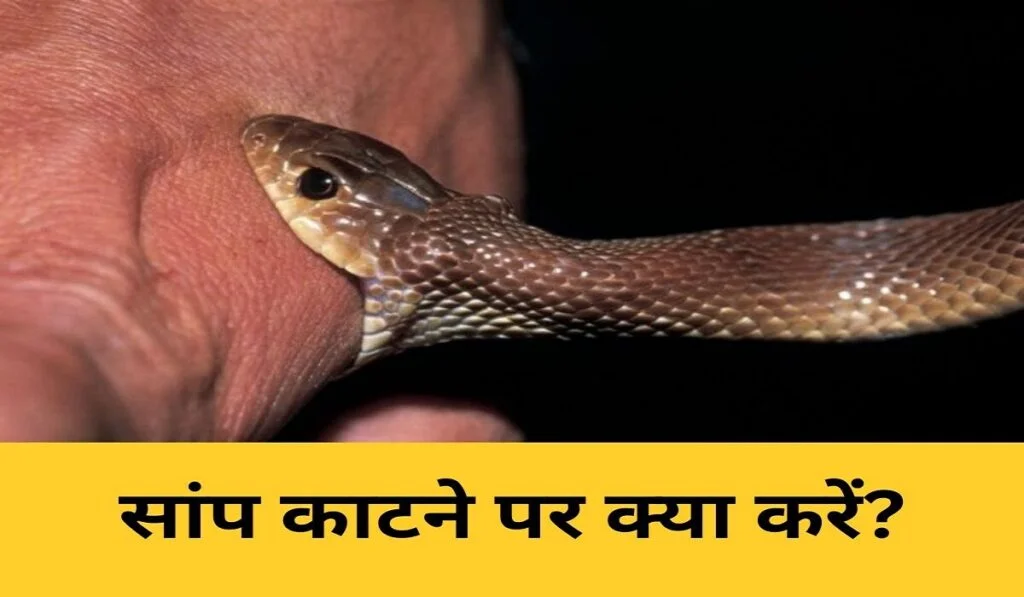
Snake Bite: With the arrival of the rainy season and monsoon, incidents of snakes emerging in fields, gardens, bushes, and even inside homes increase significantly. Painful cases of snakebites frequently occur during this time. Often, out of panic or a reliance on unscientific traditional remedies (such as faith healing or exorcism), people delay taking the patient to the hospital, which can become life-threatening. According to a new advisory from the Uttar Pradesh National Health Mission (NHM), the first hour after a snakebite is the most crucial. It is essential to know what to do, what symptoms to look for, and which mistakes to avoid. Recognizing this risk, the Uttar Pradesh NHM has issued an important advisory for the general public. It clearly states that the initial hour following a snakebite is the most critical—often referred to as the “Golden Hour.” If the patient receives proper treatment during this time, survival is almost certain.
How to recognize snakebite symptoms?
When someone is bitten by a snake, specific effects on the body become apparent immediately:
Appearance of two small, round puncture marks at the site of the bite.
Bleeding or the oozing of a watery fluid from the wound.
Severe pain, intense swelling, and a burning sensation at the bite site.
Difficulty breathing or a sense of panic/anxiety in the patient.
Discoloration of the skin (turning blue, black, or pale).
Hoarseness or slurring of speech, or the onset of unconsciousness.
What to do immediately after a snakebite?
According to the World Health Organization (WHO) and health experts, the following steps should be taken immediately after a snakebite:
Keep the patient calm: Fear increases the heart rate, causing the venom to spread more rapidly through the bloodstream. Reassure them that not all snakes are venomous. Remove tight items immediately: Quickly take off rings, watches, bracelets, anklets, or tight clothing from the bitten limb, as swelling can increase rapidly.
Restrict the patient’s movement: Keep the bitten limb completely still to prevent the venom from spreading.
Place the patient on their side: If the patient feels nauseous or like vomiting, lay them on their left side (recovery position) to keep the airway clear.
Rush to the hospital without delay: Immediately take the patient to the nearest government hospital where antivenom is available.
What mistakes should be avoided after a snakebite?
In rural areas and small towns, people often fall prey to outdated myths, which can worsen the patient’s condition:
Do not waste even a minute seeking help from faith healers or tantriks.
Do not make an incision at the bite site or attempt to suck out the venom with your mouth.
Do not apply traditional herbs, cow dung, or soil to the wound.
Do not tie a rope or cloth too tightly; this can completely cut off blood circulation and may lead to the amputation of the limb.
According to the WHO, the only definitive treatment for snake venom is an antivenom injection. This is available free of cost at government hospitals. Therefore, ignore rumors and seek medical help immediately upon noticing symptoms.

