


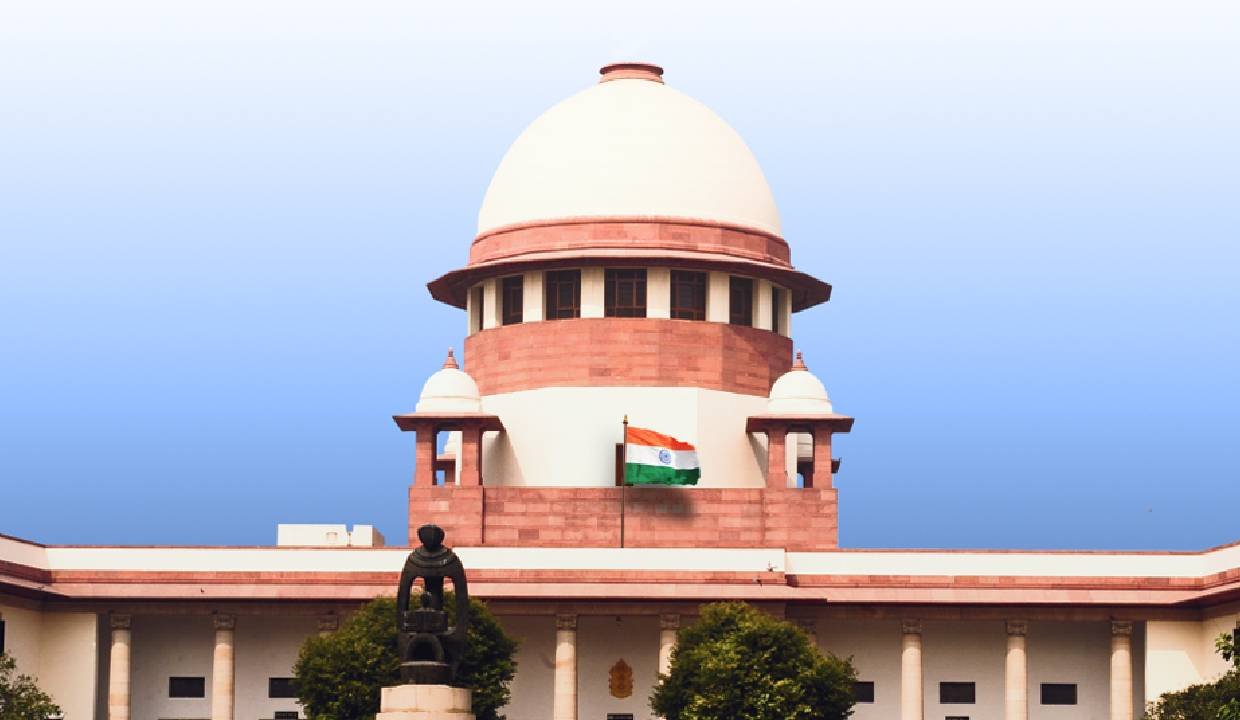
The Supreme Court of India has invoked Article 142 of the Constitution to issue strong directions aimed at preventing delays in the pronouncement of judgments by High Courts across the country.
The apex court observed that prolonged delays in delivering verdicts undermine the principle of “justice delayed is justice denied” and emphasized the need for timely disposal of cases once hearings are completed.
Under Article 142, the Supreme Court has the power to pass any order necessary to ensure “complete justice” in any matter before it. Using this constitutional provision, the court has now moved to strengthen accountability mechanisms in the lower judiciary, particularly regarding reserved judgments that remain pending for long periods.
As part of the directions, the court has asked High Courts to adopt stricter timelines for pronouncing judgments after hearings conclude and to improve monitoring systems for tracking reserved cases. The move is expected to enhance transparency and reduce procedural backlogs.
The development comes amid broader judicial efforts to reform case management practices in High Courts. Earlier this year, the Supreme Court also sought data from various High Courts regarding pending reserved judgments and considered framing uniform guidelines to ensure faster delivery of verdicts.
The court’s intervention is aimed at improving efficiency within the judicial system and ensuring that litigants do not face unnecessary delays after their cases have already been heard.

