


Iran acknowledged the move but insists on lifting blockades before negotiations as Pakistan tries to facilitate dialogue amid continuing tensions
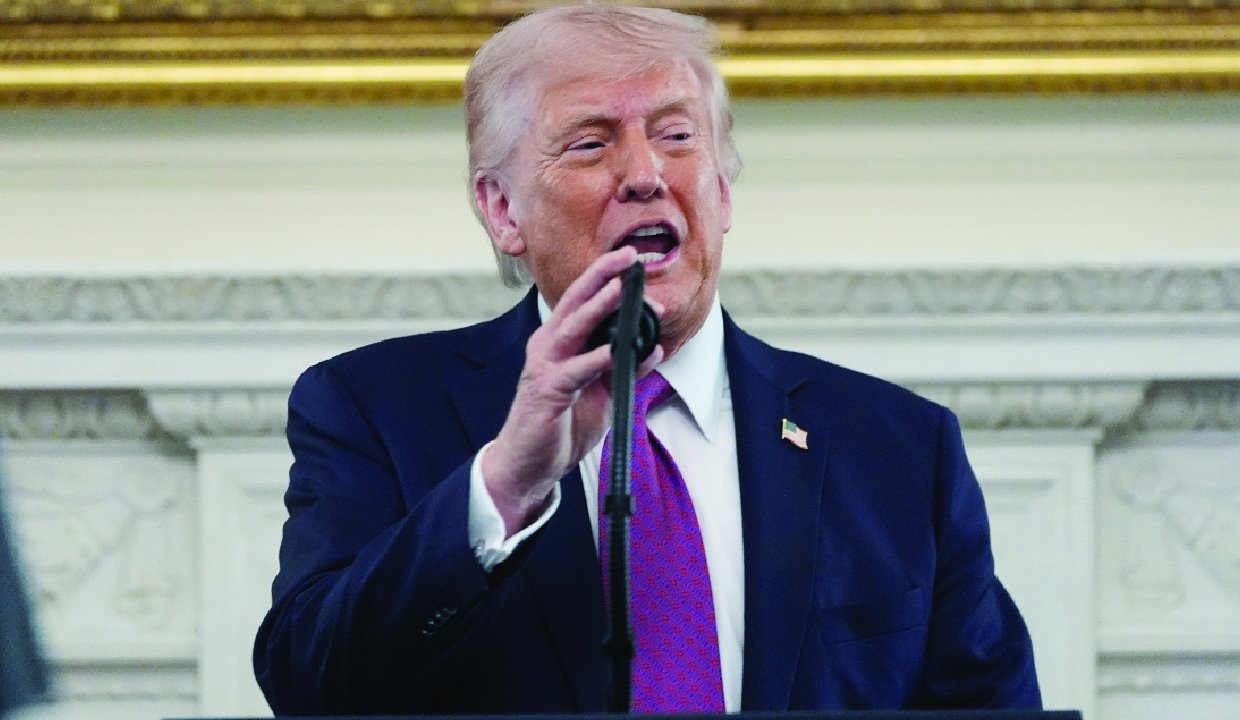
The next steps to resume US-Iran talks remained unclear Wednesday after President Donald Trump announced the US was extending its ceasefire in the war at Pakistan’s request while awaiting a “unified proposal” from Tehran.
Iran’s Foreign Ministry spokesperson Esmail Baghaei acknowledged the ceasefire extension in comments reported Wednesday by Iranian state television, though did not specifically say Tehran was ready to attend a new round of talks with the United States in Islamabad.
Both countries have warned they were prepared to resume fighting if a deal isn’t reached. Trump said Tuesday night in a social media post that “Iran doesn’t want the Strait of Hormuz closed, they want it open” so they can sell their crude oil, after earlier saying that the US military would maintain its blockade of Iranian ports.
Meanwhile, The New York Post reported on Wednesday that Trump is willing to grant a three-to-five-day extension to the ceasefire with Iran to give it more time to present a unified proposal to end the seven-week war. Trump issued the statement in a text message to the outlet, saying the talks could begin within the next “36 to 72 hours.”
On Tuesday, Israel and the Iran-backed militant group Hezbollah in Lebanon traded some fire despite expected talks in Washington this week after a 10-day ceasefire went into effect last Friday.
Since the war started, fighting has killed at least 3,375 people in Iran and more than 2,290 in Lebanon. Additionally, 23 people have died in Israel and more than a dozen in Gulf Arab states. Fifteen Israeli soldiers in Lebanon and 13 US service members throughout the region have been killed.
Iran’s Foreign Ministry spokesperson Esmail Baghaei acknowledged the ceasefire extension in comments reported Wednesday by Iranian state television. Baghaei did not specifically say Tehran was ready to attend a new round of talks with the United States in Islamabad.
“Diplomacy is a tool for securing national interests and security, and whenever we reach the conclusion that the necessary and reasonable conditions exist to use this tool to achieve national interests and to consolidate the achievements of the Iranian nation in thwarting the enemies’ malicious objectives, we will take action,” he reportedly said.
2 of 8 Iranian women whose release Donald Trump called for are already out on bail, rights centre says. The United States must end its blockade on Iran as a prerequisite for any further ceasefire talks in Islamabad, an Iranian diplomat said Wednesday.
Mojtaba Ferdousi Pour, the head of the Iranian mission in Egypt, told The Associated Press that communications with Pakistani mediators are underway “to implement Iran’s conditions”. “We won’t negotiate under threat,” he said. “We won’t go to Islamabad before the lifting of the blockade.”
He accused the US of using the ceasefire to build up more forces for a possible resumption of military action against the Islamic Republic. “Behind the scenes, they say something, but in public, they say and do something else,” he said.
An independent Islamabad-based analyst, Syed Mohammad Ali, says President Donald Trump has apparently concluded that a blockade of Iranian ports is a more effective way to pressure Iran’s already fragile economy than the continued use of force.
“As far as Trump’s war strategy is concerned, this blockade appears to be less expensive and more effective,” he said Wednesday. Ali said prospects for a second round of talks between the United States and Iran have not faded, as Pakistan, with support from regional countries, continues efforts to prevent the collapse of negotiations.
He said securing an extension of the ceasefire for an indefinite period from Trump is an achievement for Pakistan.
Pakistan’s top political and military leadership has worked to prevent talks from collapsing and to persuade the US to extend the ceasefire over the past 24 hours, officials said Wednesday. Two Pakistani officials told The Associated Press that authorities will keep security arrangements in place in Islamabad in case US and Iranian delegations ultimately arrive.
Pakistan is also still waiting to hear from Tehran on when it will send a delegation for a second round, the officials said, speaking on condition of anonymity because they were not authorized to talk to the media.
In Islamabad, police and troops remained on alert along key roads, manning checkpoints. Residents were forced to take longer routes as authorities restricted access to parts of the city. We have not received any instructions to remove these barricades,” said police officer Mohammad Aslam as he directed commuters to turn back and use alternative routes. China said after the announcement of an extension of the ceasefire that it is “imperative” to keep the conflict from reigniting.
Chinese Foreign Ministry spokesperson Guo Jiakun said Wednesday that the current situation in the Middle East is at “a critical stage”. He said China “is ready” to work with the international community to maintain peace, following four principles President Xi Jinping proposed a few days earlier, including peaceful coexistence and adherence to international law. “It’s imperative to prevent the recurrence of the conflict with utmost efforts,” he said.

