


After six months of detention, the activist and environmentalist Sonam Wangchuk has been released. The Government revoked the NSA slapped on him even as the Supreme Court continued to hear the Habeas Corpus writ filed by his wife, and the next hearing was slated for March 17. Sonam Wangchuk is much revered and a respected public figure known for his work on education, sustainability, and Himalayan ecology. He is also known for the Gandhian way of life and protesting for the just cause in a peaceful manner. Wangchuk is also a recipient of the Ramon Magsaysay Award, given to distinguish individuals with an incredible track record in public service. He was detained in September under the stringent provisions of the National Security Act after protests in Ladakh turned violent.
The charges against him were rather harsh, and he was accused of making provocative speeches that allegedly contributed to unrest in the region. Wangchuk, however, had been on a hunger strike and was demanding full statehood for Ladakh and constitutional protections for the region’s tribal communities, land, and fragile ecosystem. Nowhere did he mention a secession from India or anything to suggest that he was fighting the Indian State. His demands were well within the constitutional framework of the country.
The Government’s decision to invoke the National Security Act, which allows detention without formal charges for up to a year, was widely criticised. It was uncalled for to say the least. Wangchuk is not a militant. He is best known for pioneering ice stupa water conservation projects in the Himalayas and for transforming education in Ladakh. His life even inspired a character in the popular film ‘3 Idiots’. Though he is a free man now, the damage has been done. Detaining him under a national security law sent a wrong message to the people that peaceful dissent was being crushed. A more nuanced approach could be to talk and engage with him and consider his genuine demands.
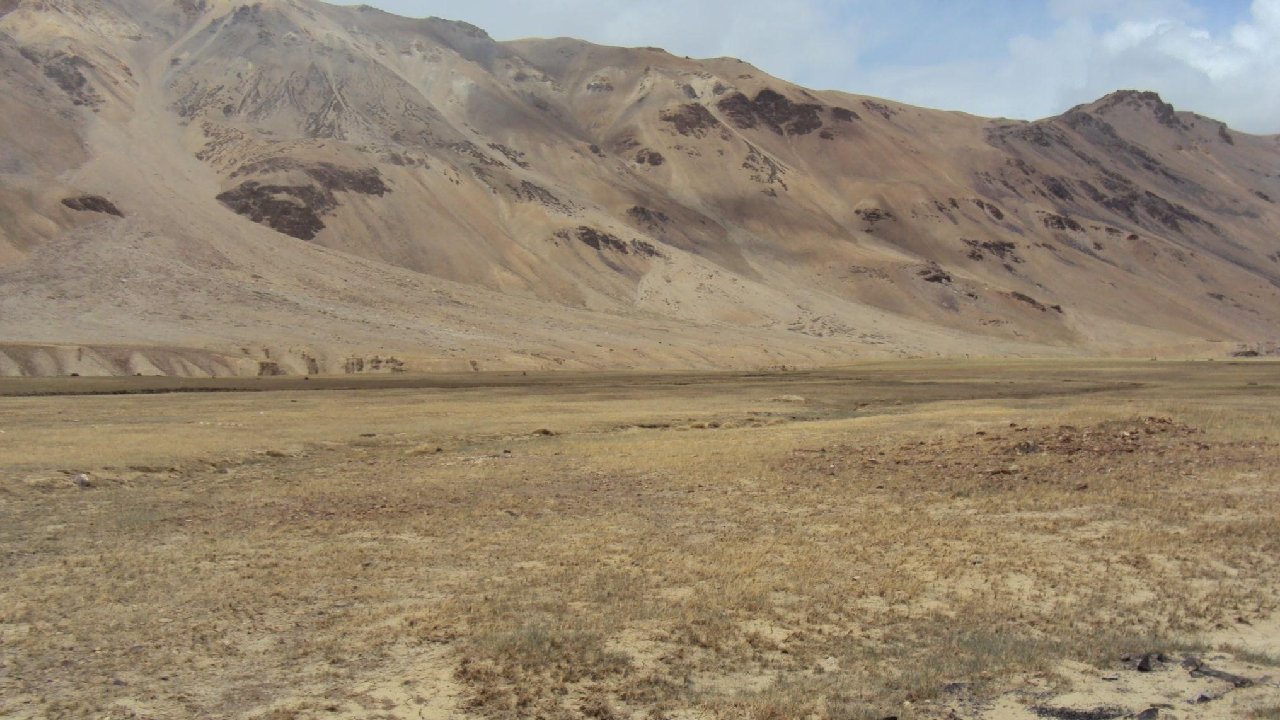
Ladakh is a sensitive border state and needs a very cautious approach; a little misstep can plunge the valley into chaos, which can be taken advantage of by regimes across the border. The roots of the controversy lie in Ladakh’s political transition after 2019, when the Central government reorganised the former state of Jammu and Kashmir and created Ladakh as a separate Union Territory directly governed by New Delhi. The absence of a local legislature and concerns about land rights soon sparked anxiety among Ladakh’s tribal communities. The Leh Apex Body began demanding constitutional safeguards under the Sixth Schedule, which would grant tribal councils greater control over land, culture, and local governance. Wangchuk became the voice of Ladakh, articulating these demands. His arguments were not merely political but also ecological: Ladakh’s is one of the most fragile ecosystems in the Himalayas, and rapid development could irreversibly damage its environment. If Ladakh’s voice is heard and its concerns addressed, the region can become a model of sustainable development in the Himalayas.

