


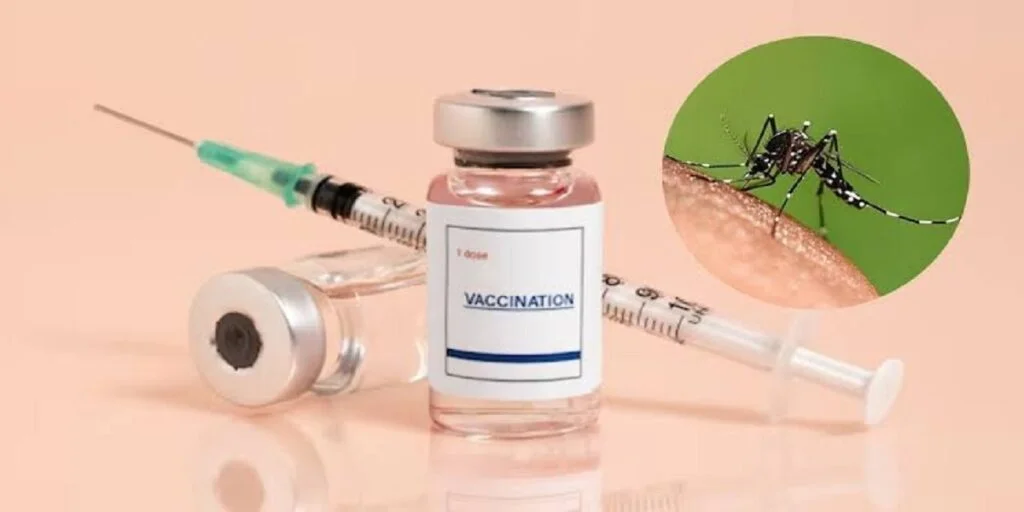
For the first time, a vaccine has been approved in India for protection against dengue. India’s drug regulator has granted approval to QDENGA, a dengue vaccine developed by the Japanese pharmaceutical company Takeda Pharmaceuticals. This approval comes at a time when dengue cases in India have increased eleven-fold over the last two decades. The company states that India accounts for approximately one-third of the global dengue burden.
In this context, let us understand what dengue is, its symptoms, the situation of dengue in India, what QDENGA is, how the vaccine works, how it is administered, its efficacy, its side effects, who should not take it, how many countries have adopted it, and the extent of the threat dengue poses globally.
How is dengue caused?
Dengue is a viral disease spread by the bite of an infected Aedes mosquito. The risk of dengue is higher in countries with warm climates. Most people do not show symptoms or experience only mild ones; however, in some cases, the disease can become severe and even life-threatening. There is no specific cure for dengue; therefore, timely detection and appropriate treatment are crucial. There are four serotypes (types) of the dengue virus, and a person can be reinfected by a different type even after a previous infection.
What are the symptoms of dengue?
Dengue symptoms usually appear 4 to 10 days after infection and can last for 2 to 7 days. Symptoms include high fever, severe headache, pain behind the eyes, muscle and joint pain, nausea, vomiting, skin rashes, and swollen glands. The risk of severe dengue increases with a second infection. In such cases, symptoms like severe abdominal pain, persistent vomiting, rapid breathing, bleeding from gums or nose, blood in vomit or stool, excessive thirst, cold and pale skin, and weakness may occur. Immediate medical attention should be sought if such symptoms appear.
What is the dengue situation in India?
According to the World Health Organization, India is among the countries most affected by dengue. In the country, approximately 75 to 80 percent of infections are asymptomatic; however, an infected person can still transmit the virus to others via Aedes mosquitoes. Among the 20 to 25 percent of individuals who do exhibit symptoms, children face a higher risk of hospitalization and death. In adults, dengue can progress to severe forms such as Dengue Hemorrhagic Fever and Dengue Shock Syndrome.
What is QDENGA?
According to the European Medicines Agency (EMA), QDENGA is a dengue vaccine suitable for adults, adolescents, and children aged four years and older. It contains attenuated (weakened) forms of all four dengue virus serotypes; these do not cause the disease but prime the body’s immune system to fight the virus.
How does this vaccine work?
Upon administration, the body’s immune system recognizes these weakened viruses and produces antibodies against them. If the individual is subsequently exposed to the actual dengue virus, the body attempts to fight it rapidly using the pre-existing antibodies. According to the manufacturer, the vaccine is designed to provide protection against all four dengue virus serotypes, and prior dengue infection is not a prerequisite for vaccination. No pre-vaccination screening is required.
How is the vaccine administered?
This vaccine is administered on a doctor’s recommendation. It is given as an injection under the skin of the upper arm. The full course consists of two doses, with a minimum interval of three months between them. If the second dose is delayed for any reason, there is no need to restart the series; the second dose can be administered as soon as it becomes available.
How effective is this vaccine?
A large-scale study involving approximately 20,000 children across eight countries found that, following the second dose, there was an 80 percent reduction in cases of dengue fever. Additionally, the risk of hospitalization due to dengue decreased by 90 percent.
What are the side effects? Side effects following this vaccine may include pain or redness at the injection site, headache, muscle pain, weakness, and a general feeling of being unwell. Some individuals may also experience a fever. These side effects are typically mild and resolve within a few days. Such side effects were observed less frequently after the second dose compared to the first.
Who should not receive this vaccine?
This vaccine should not be administered to individuals who have experienced an allergic reaction to a previous dose of it.
Additionally, the vaccine should not be given to people with a weakened immune system, those with compromised immunity due to HIV infection, individuals taking immunosuppressive medications, pregnant women, women planning to conceive, or breastfeeding women.
How many countries have adopted the QDENGA vaccine?
According to Takeda, QDENGA has received approval in numerous countries since it was first authorized in Indonesia in 2022. The company states that it has been approved in 43 countries, and over 32 million doses have been distributed worldwide. To ramp up production in India, the company partnered with Biological E in 2024…
The WHO recommends [it] for individuals aged 6 to 16 years in areas with high dengue transmission…

